Uploaded Tactic
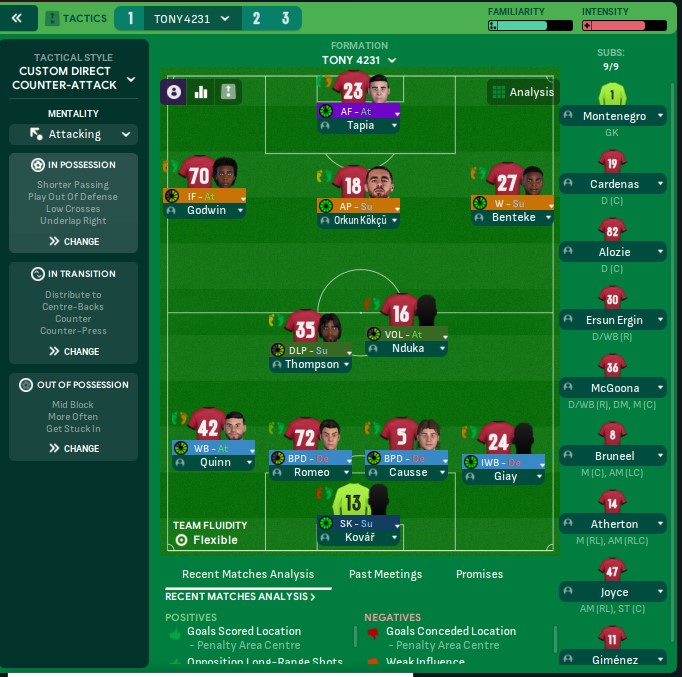
Formation & Style
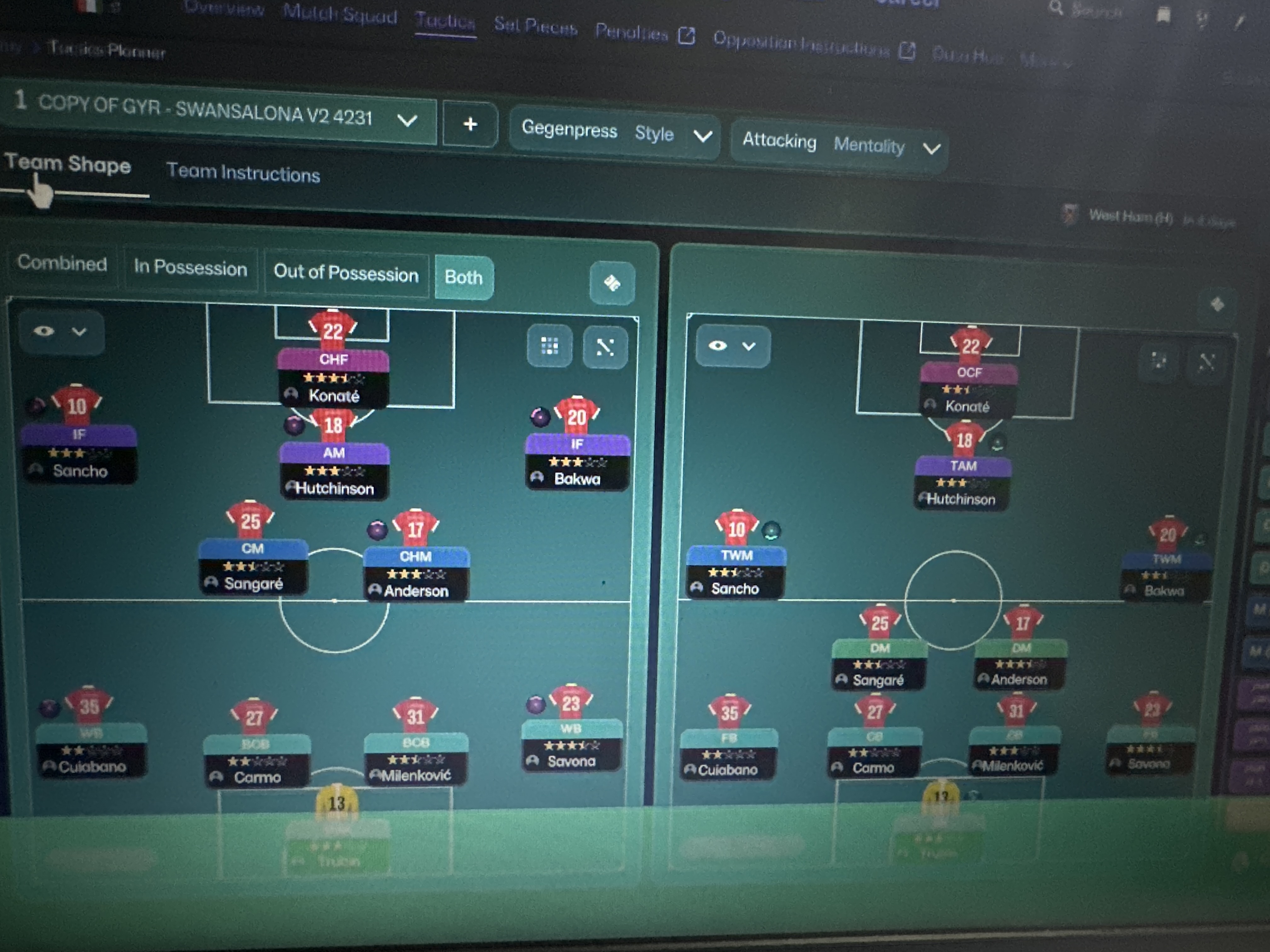
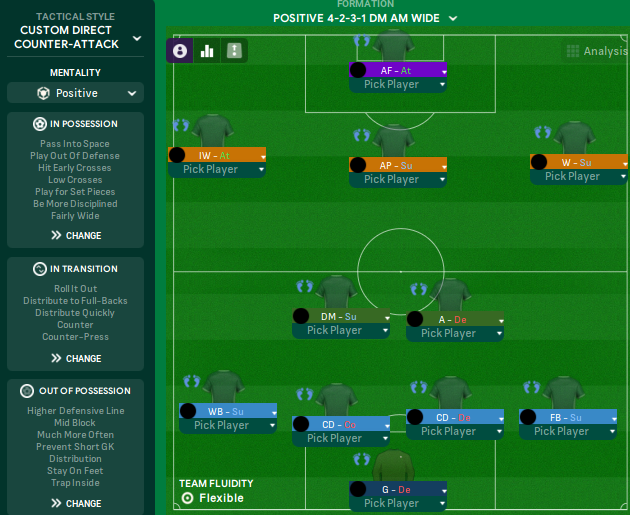
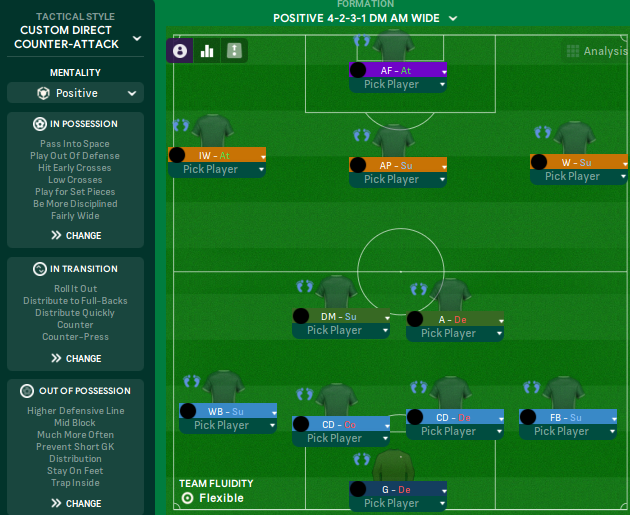
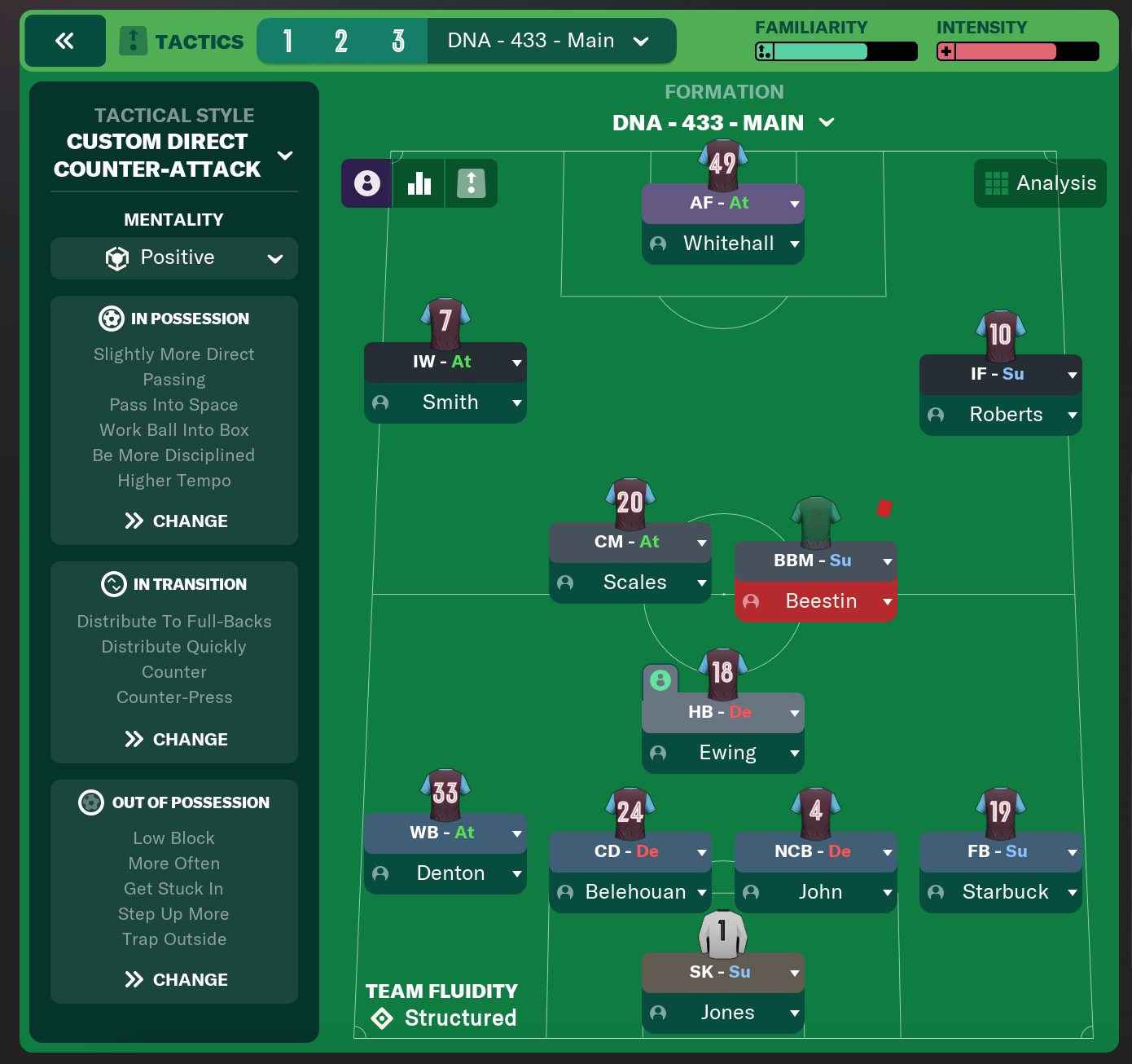
Tactical Style:Custom Direct Counter-Attack
Mentality:Attacking
Formation:4-2-3-1
Team Fluidity:Flexible
In Possession
Shorter Passing
Play Out of Defence
Low Crosses
Underlap Right
In Transition
Distribute to Centre-Backs
Counter
Counter-Press
Out of Possession
Mid Block
More Urgent
Get Stuck In
Team Shape Without Ball
Shape:Mid Block
Description:The team employs a mid-block pressing style, applying pressure at the middle third of the pitch.
Evidence:Instructions for 'More Urgent' pressing and 'Mid Block' structure.
Team Shape With Ball
Shape:Fluid
Description:Fluid attacking shape with inside forwards cutting in and wing-backs providing width.
Evidence:Wide players in inside forward (Godwin) and winger roles (Benteke) ensure dynamic attacking runs.
Phase Description
Attacking Play
Utilizes quick transitions and overlaps to exploit spaces while focusing on counter-attacks.
Defensive Transition
Quickly moves to a mid-block upon losing possession, emphasizing counter-pressing to regain control.
Main Focus
Central build-up play with support from wide players.
Key Strengths
Effective Counter-Attacks
Utilizes pace with an Advanced Forward and inside forwards to exploit spaces rapidly.
Dynamic Midfield Setup
The combination of a Deep-Lying Playmaker and an attack-minded Segundo Volante provides both stability and creativity.
Utilizing Width
The Wing-Backs effectively support the attack, allowing for cross opportunities and stretching opposition lines.
Conflicting Directions
High Intensity Pressing vs. Counter-Attack
The pressing strategy may conflict with the slower buildup desired for counter-attacking play.
Mid Block vs. High Line
A mid-block approach can be compromised if the defensive line is too high, leading to vulnerabilities.
Inverted Roles and Width
Having an Inside Forward and a Winger may create imbalance and confuse the attacking patterns.
Tactical Suggestions
Encourage More Overlaps
Allow Wing-Backs to exploit overlapping runs, creating more space for forwards.
Consider Defensive Stability
Ensure that the team doesn't commit too many players forward during counter-attacks, leading to defensive imbalances.
Adjust Pressing Intensity
Moderate the pressing intensity to preserve energy and maintain shape.
Ask Questions About Your Lineup
Related Tactics
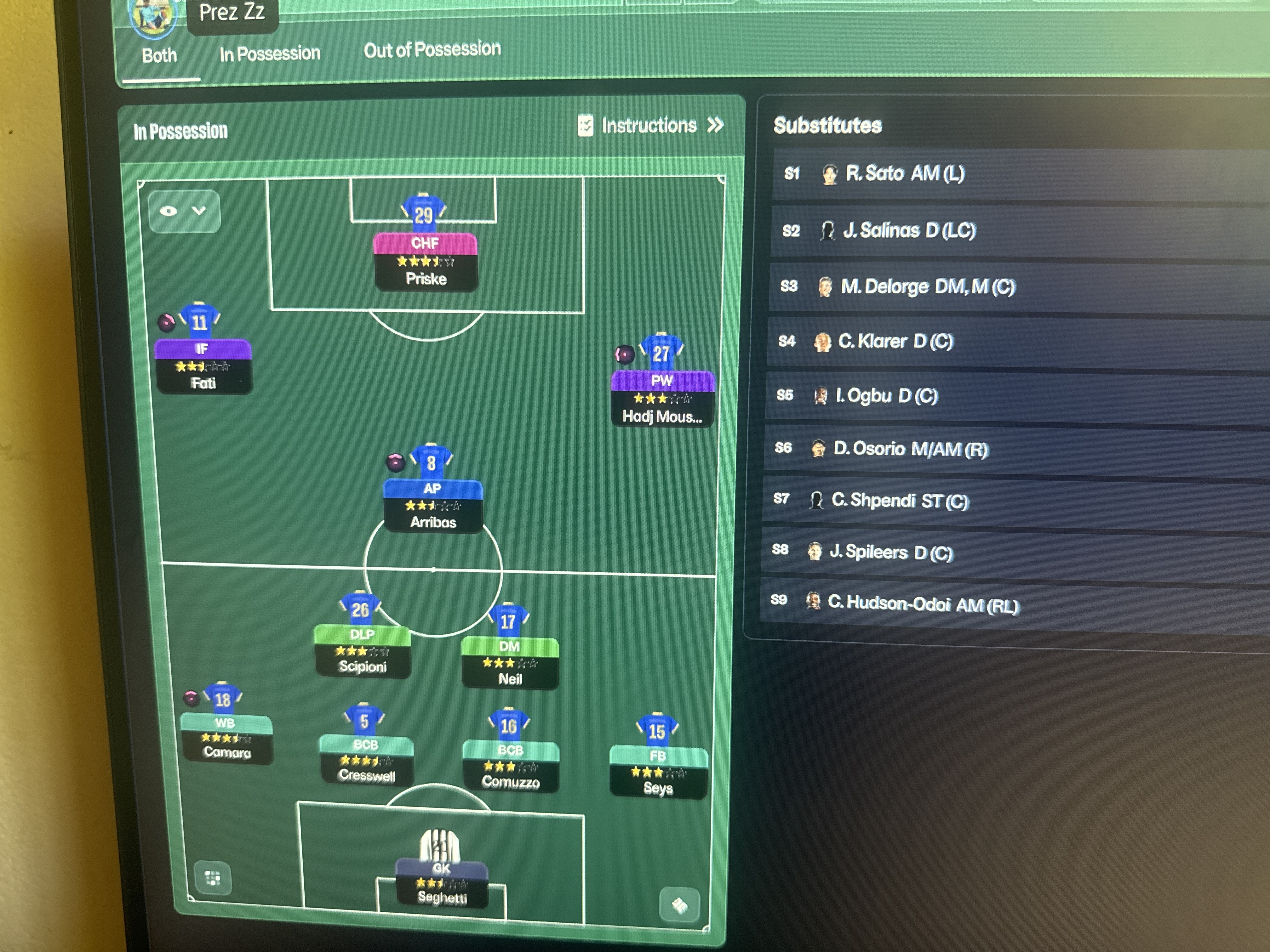
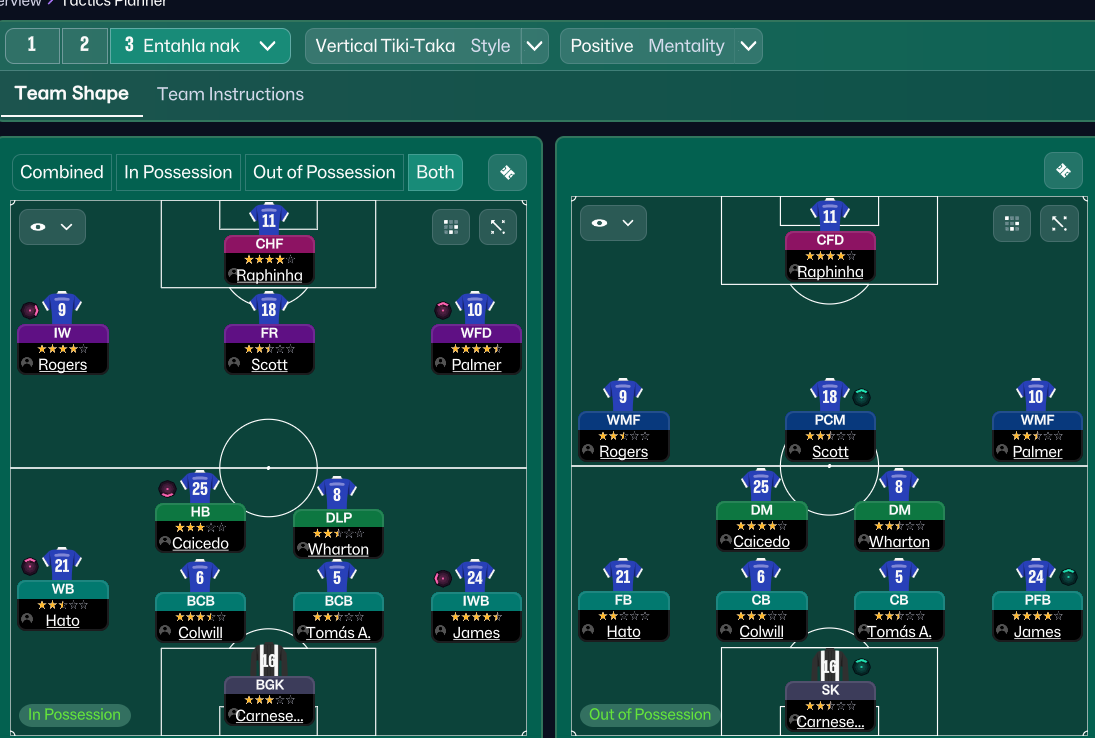
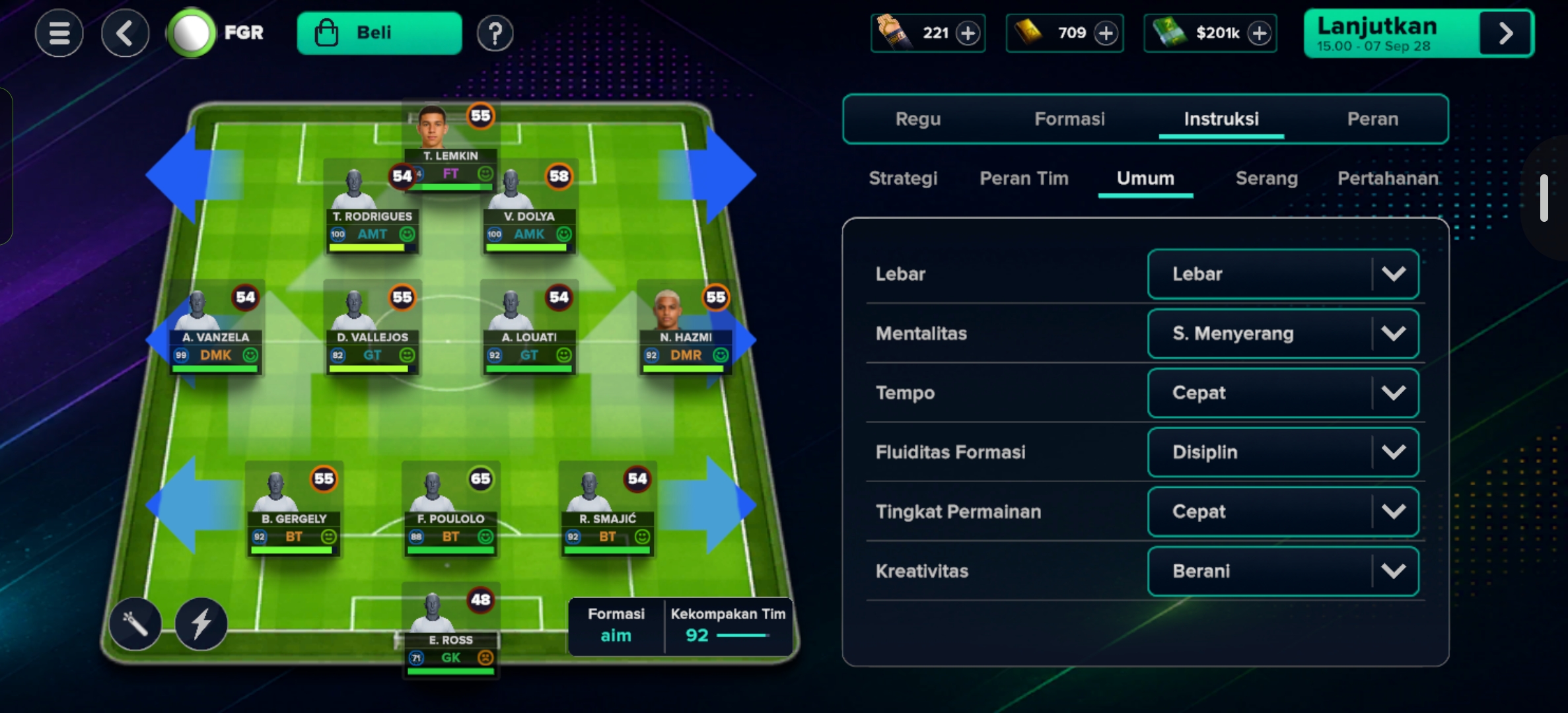
More Custom Direct Counter-Attack tactics
Guides for this formation
The tactical theory behind the 4-2-3-1: roles, instructions, and the trade-offs that decide whether the system holds up.
Player pairings
Midfield Pairs in 4-2-3-1 and 4-4-2
Double pivots and flat pairs in 4-2-3-1 and 4-4-2: when each pairing works, when it collapses, and the AMC unicorn that rescues both.
Read guide
Playing styles
Gegenpressing: A Full Guide
Klopp-style gegenpressing in FM, including squad profile, line-and-press pairing, sustainable workload, and the antipatterns to avoid.
Read guide