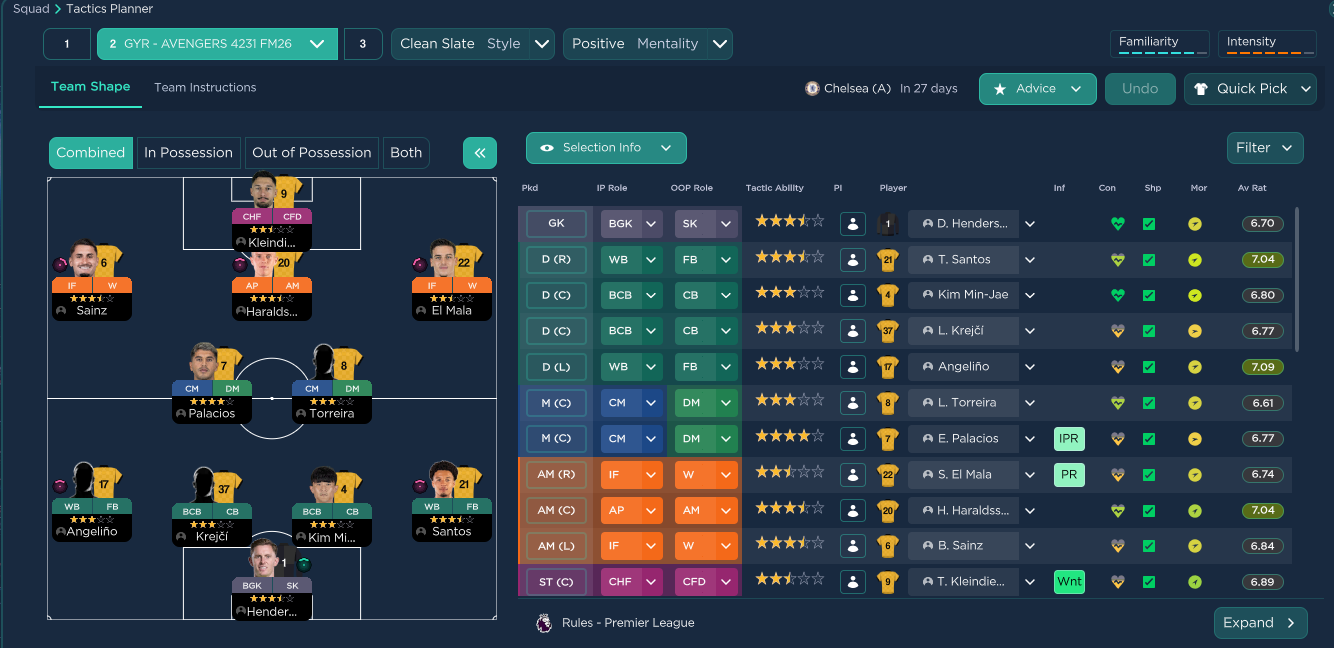
Uploaded Tactic
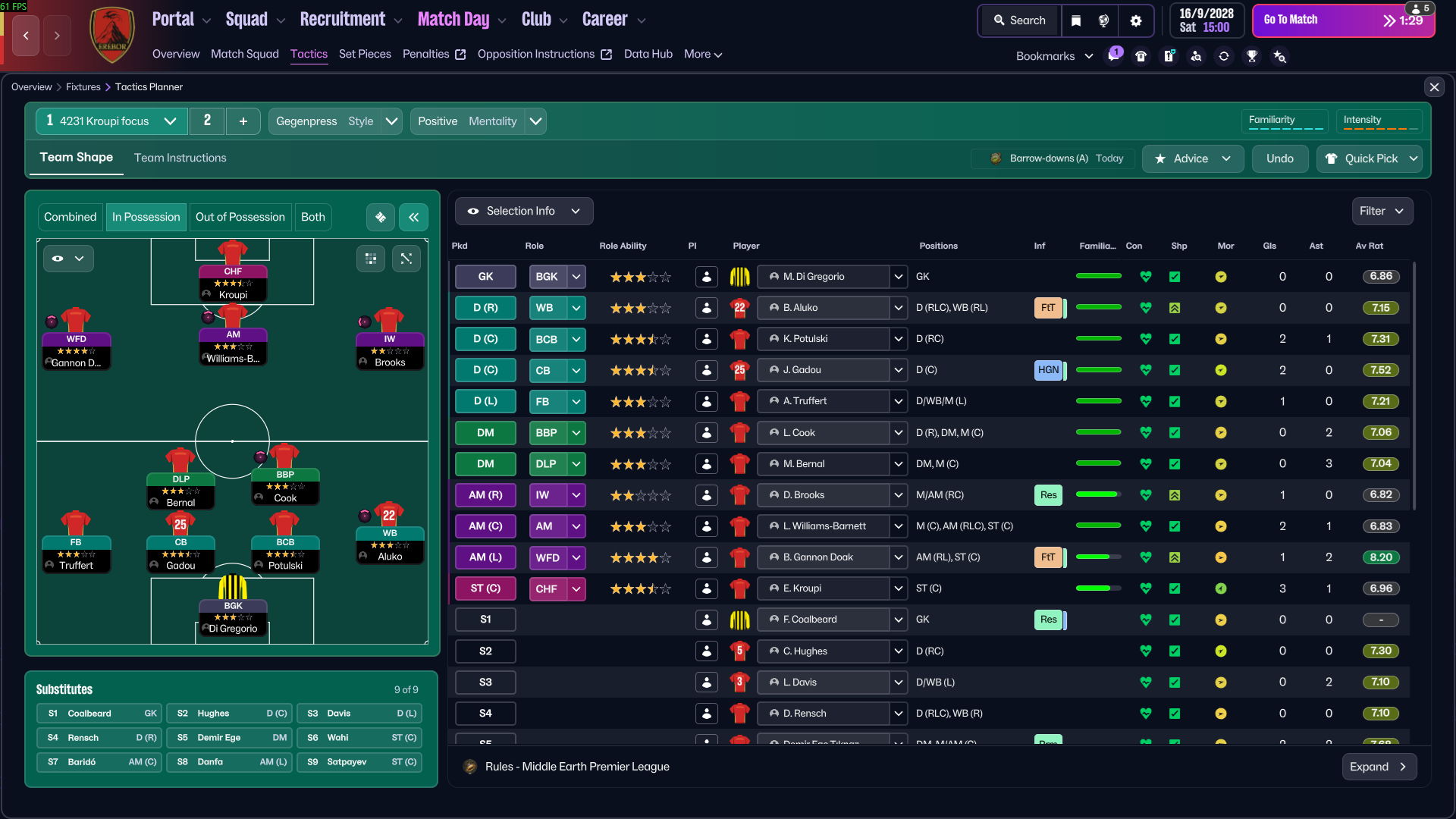
Formation & Style
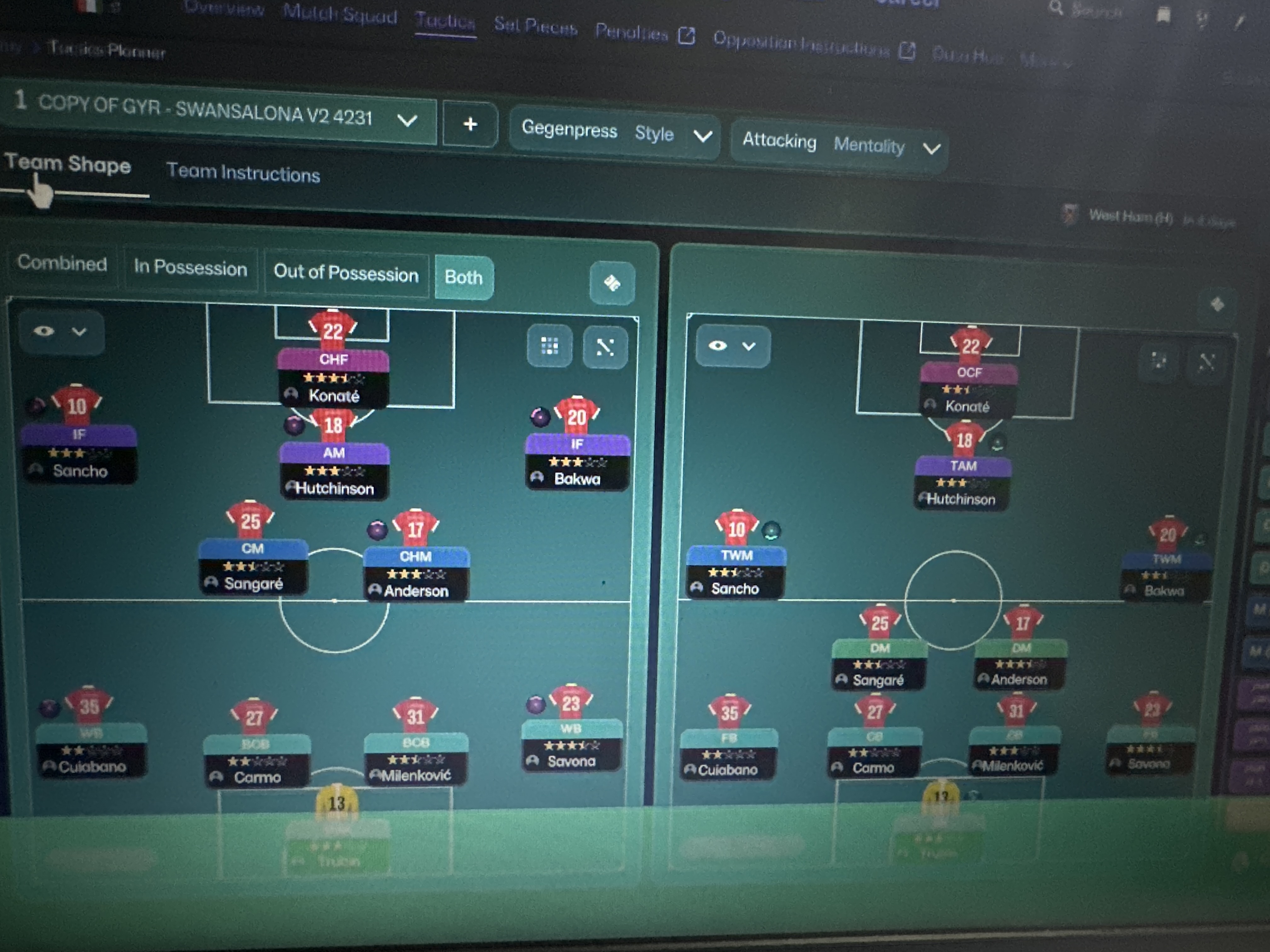
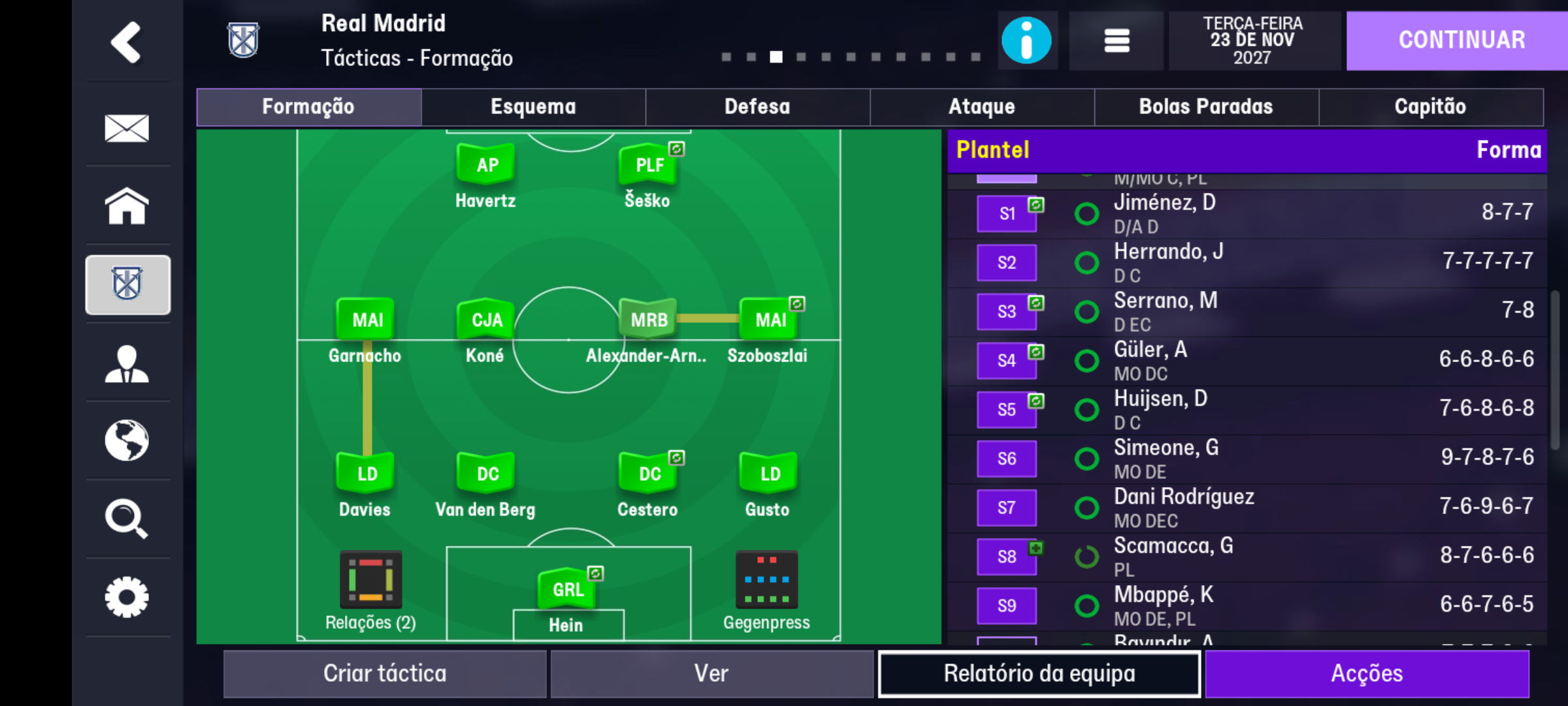
Tactical Style:Gegenpress
Mentality:Positive
Formation:4-2-3-1
Team Fluidity:2
In Possession
Play Out of Defence
Focus Play Down the Left
Use the Width
In Transition
Counter-Press
Counter
Out of Possession
Higher Defensive Line
Higher Line of Engagement
Trigger Press More Often
Team Shape Without Ball
Shape:4-2-3-1
Description:Compact defensive shape with a two-man pivot providing protection to the backline.
Evidence:BWM-D at [3,2] and DLP-S at [3,3] supporting CBs
Team Shape With Ball
Shape:4-2-3-1
Description:Wide attackers providing width while the central AM and CF create goal-scoring opportunities.
Evidence:AM-A at [5,3] and CF at [6,3] creating a focal point in the attack.
Phase Description
Attacking Play
The team aims to exploit width with overlapping wing-backs and quick transitions through the midfield due to the Gegenpressing philosophy.
Defensive Transition
After losing the ball, there is an immediate effort to win the ball back through aggressive pressing. The Double Pivot provides cover against counter-attacks.
Main Focus
Create scoring opportunities through fluidity in the attacking third and sustained pressure on the opponent when out of possession.
Key Strengths
Width in Attack
Utilizing wing-backs and inside forwards provides options both wide and centrally.
Ball Recovery
Immediate pressing helps regain possession quickly to exploit opposition vulnerabilities.
Fluid Forward Line
A versatile attacking front which augments goal-scoring potential.
Conflicting Directions
Defensive Vulnerability
Aggressive pressing could leave gaps if the forward line gets bypassed, leading to potential counter-attacks.
Space in Midfield
The dual pivot may occasionally leave space exposed if not properly synchronized.
Dependency on Width
If the width is cut off, the attacking fluidity might diminish significantly.
Tactical Suggestions
Increase Fluidity
Enhancing team fluidity will create better movement patterns and passing options.
Variety in Set Pieces
Incorporating various routines to exploit set pieces effectively.
Use of Subs Strategically
Consider injecting pace late in games through substitutions to maintain pressure.
Ask Questions About Your Lineup
Related Tactics
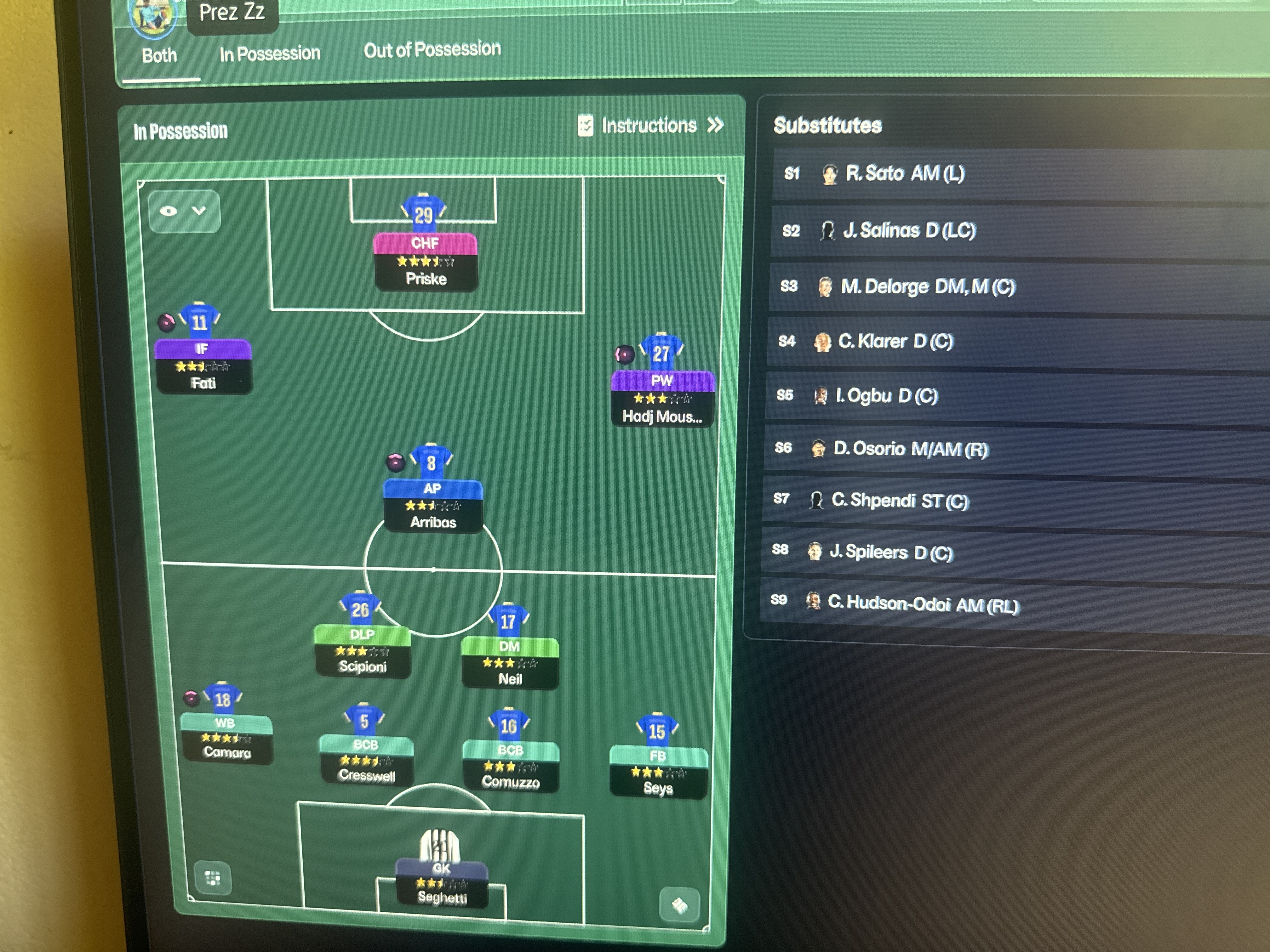
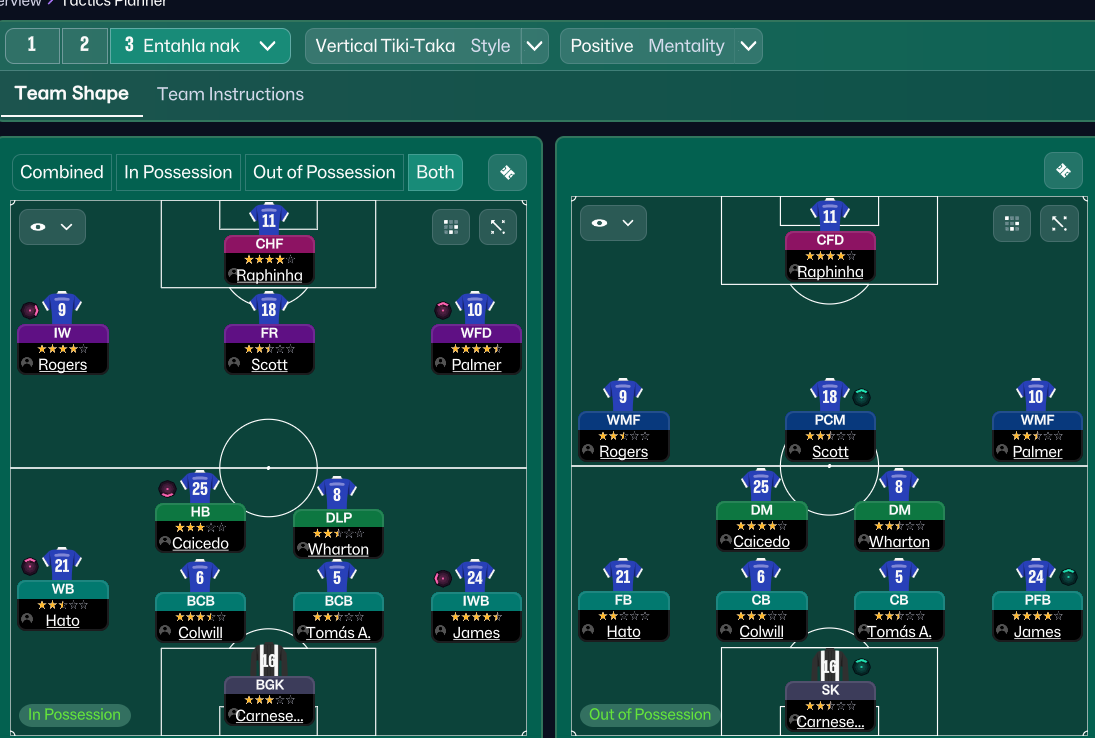
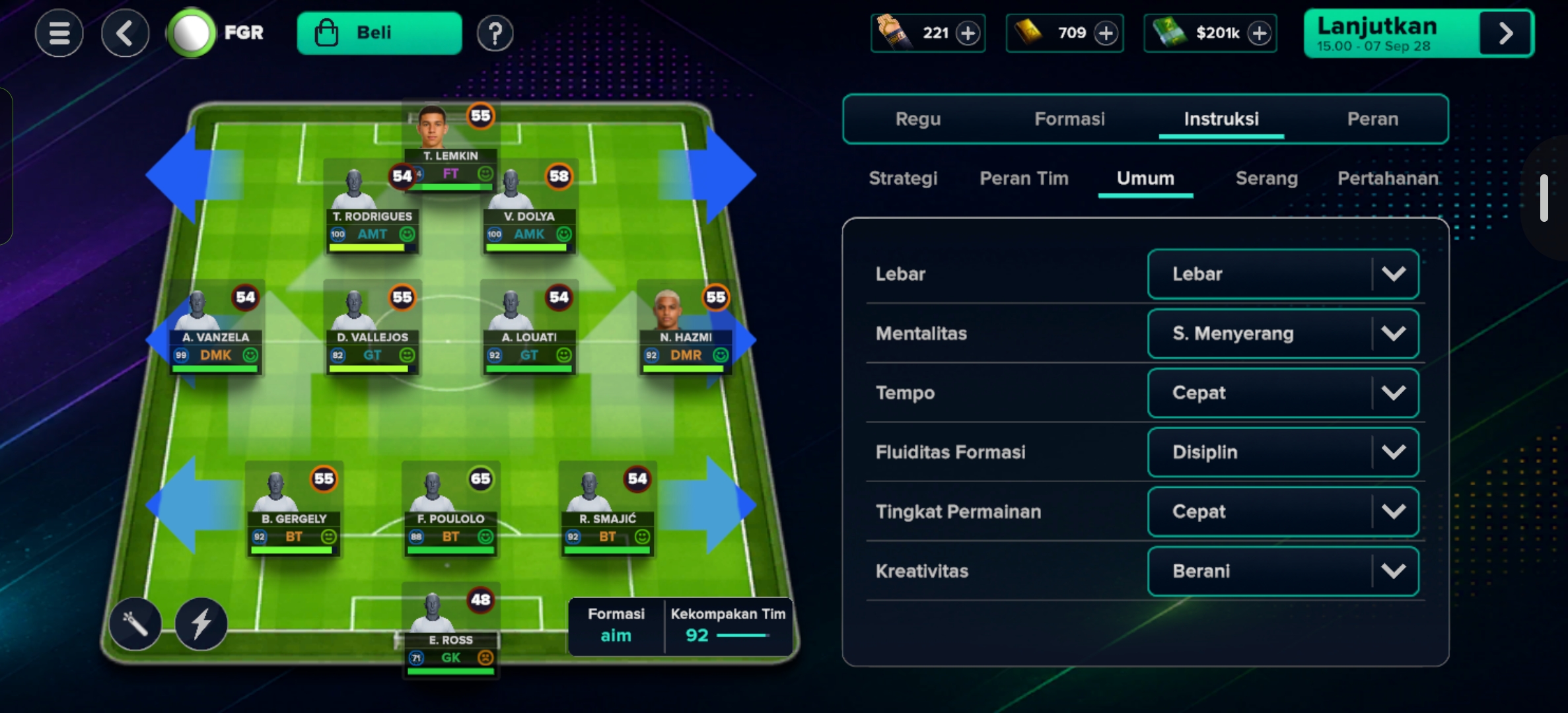
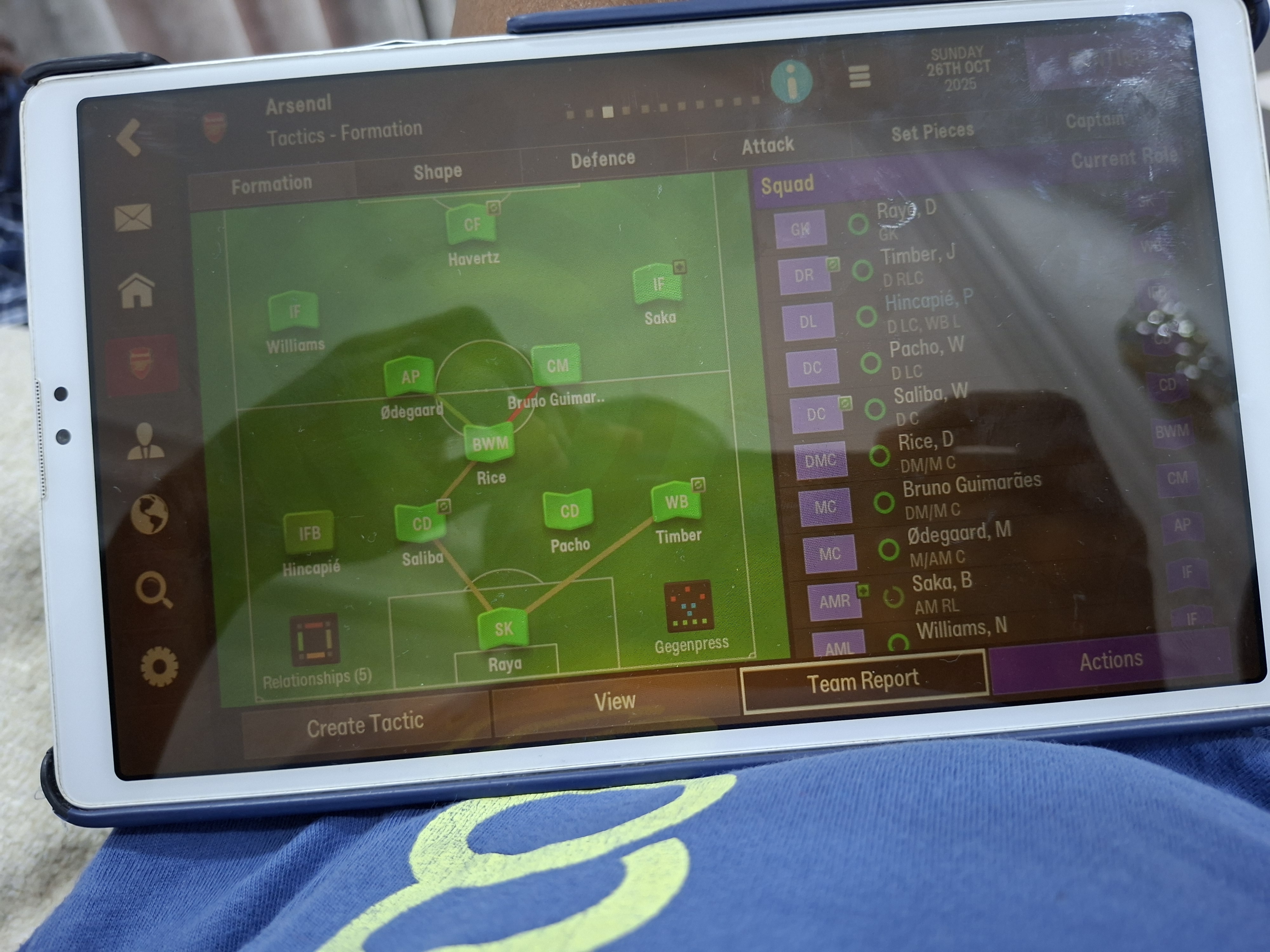
More Gegenpress tactics
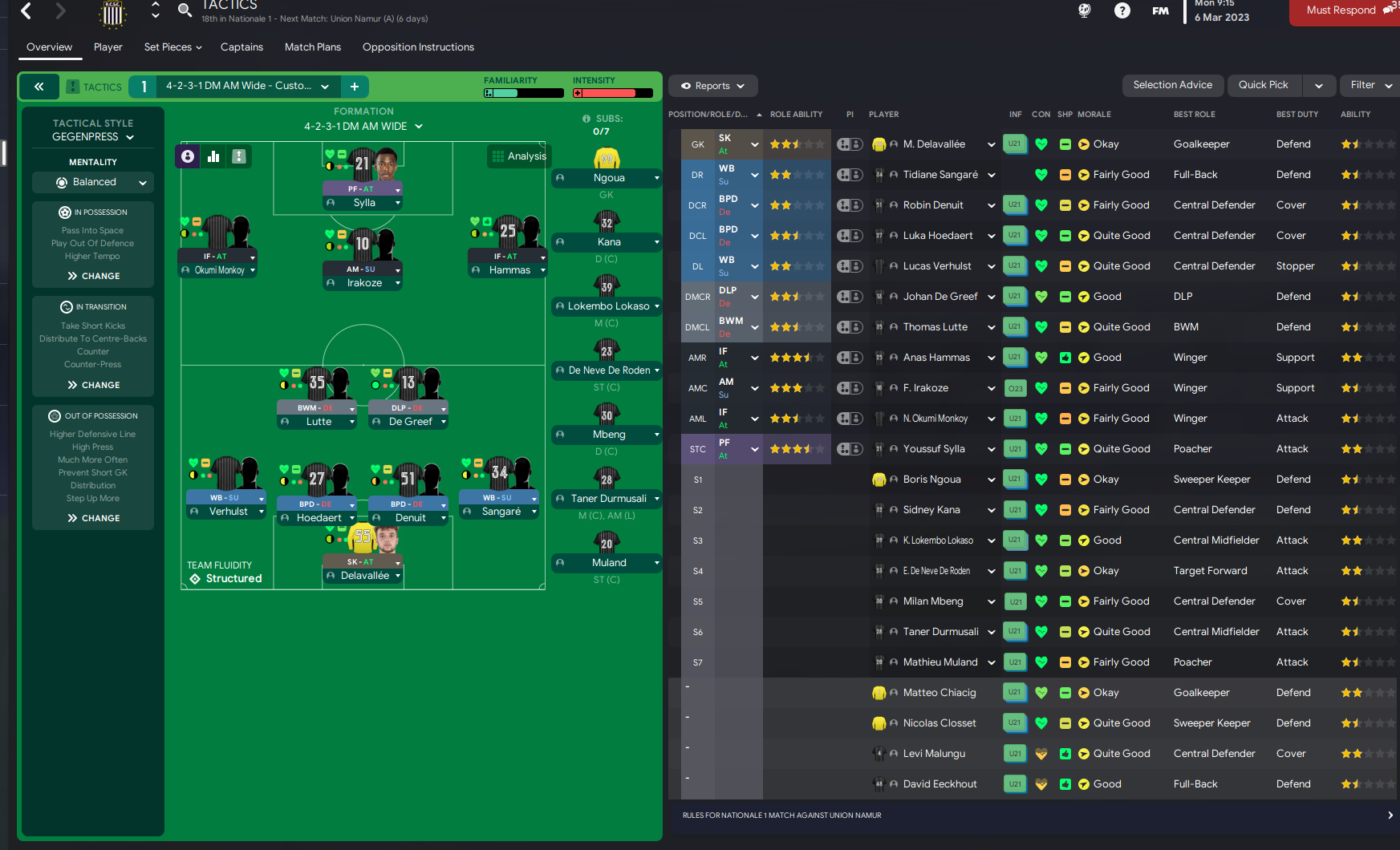
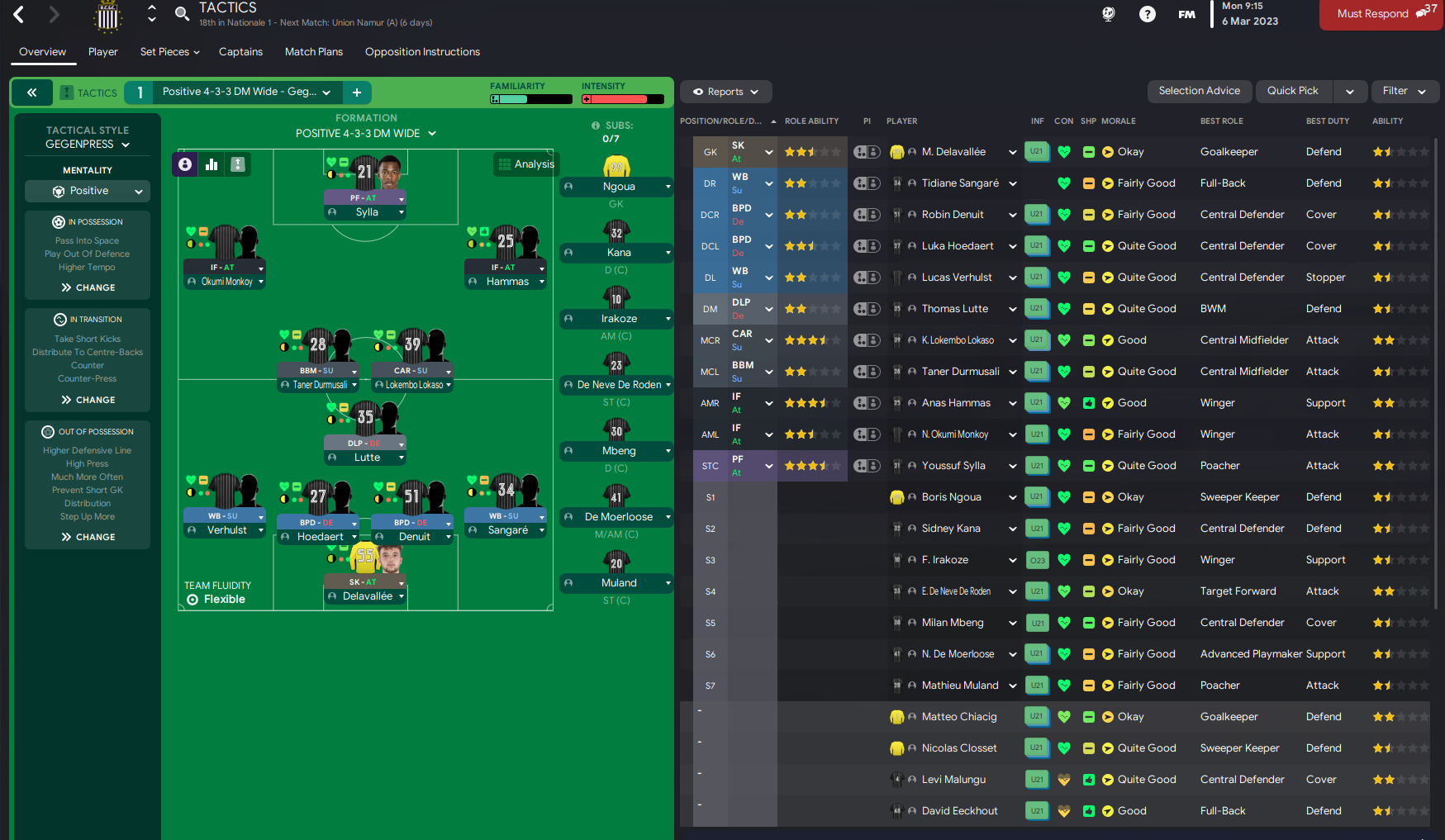
Guides for this formation
The tactical theory behind the 4-2-3-1: roles, instructions, and the trade-offs that decide whether the system holds up.
Player pairings
Midfield Pairs in 4-2-3-1 and 4-4-2
Double pivots and flat pairs in 4-2-3-1 and 4-4-2: when each pairing works, when it collapses, and the AMC unicorn that rescues both.
Read guide
Playing styles
Gegenpressing: A Full Guide
Klopp-style gegenpressing in FM, including squad profile, line-and-press pairing, sustainable workload, and the antipatterns to avoid.
Read guide