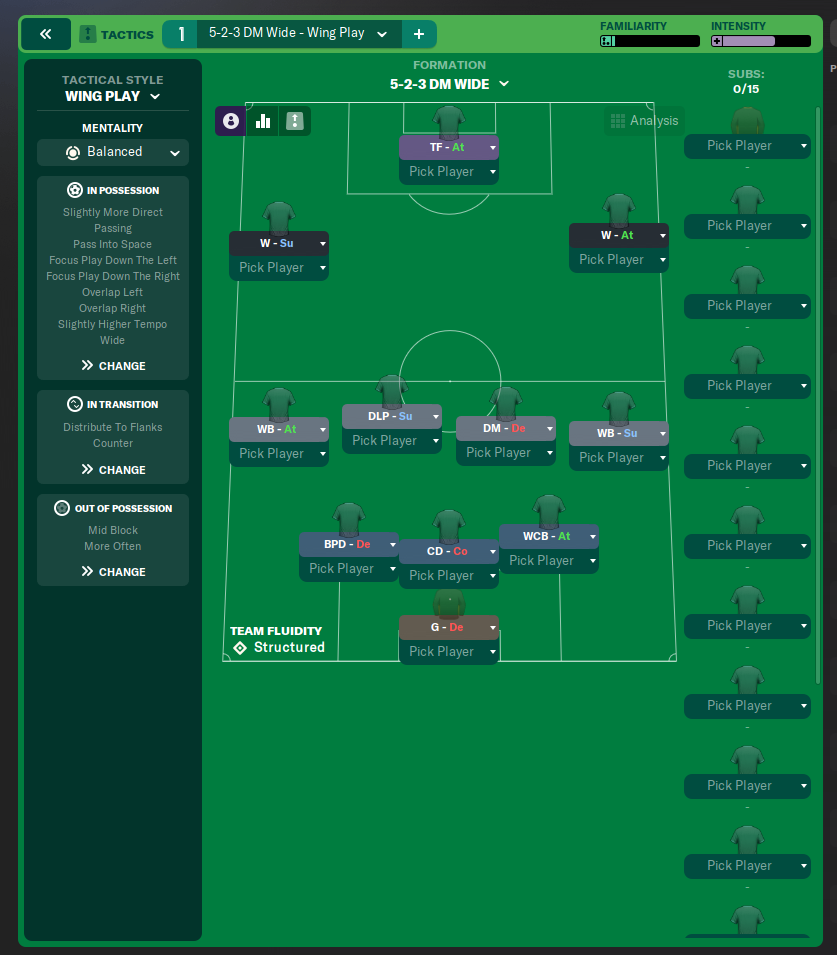
Uploaded Tactic
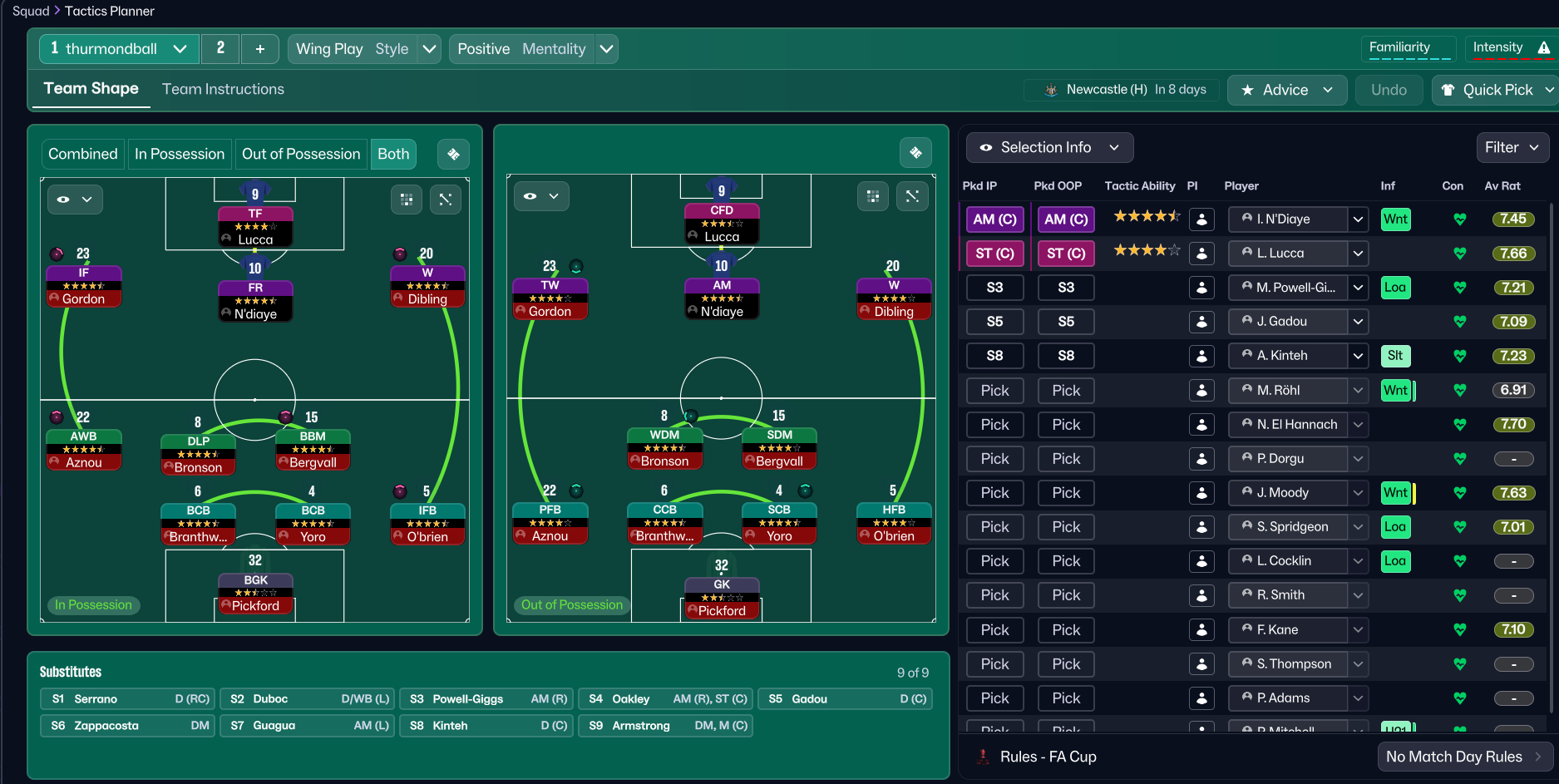
Formation & Style
Tactical Style:Wing Play
Mentality:Positive
Formation:4-2-3-1 Wide
Team Fluidity:Structured
In Possession
Play Out of Defence
Work Ball Into Box
Focus Play Down the Wings
In Transition
Counter-Press
Counter
Out of Possession
Higher Defensive Line
Higher Line of Engagement
Prevent Short GK Distribution
Team Shape Without Ball
Shape:High Press
Description:The team sets a high line with an emphasis on winning the ball back quickly in opposition territory.
Evidence:The higher defensive line and higher line of engagement combined with counter-pressing directives.
Team Shape With Ball
Shape:Wide Play
Description:The formation looks to exploit wide areas through overlapping full-backs and wide players cutting inside.
Evidence:Instructions to focus play down the wings coupled with the inclusion of inverted full-backs.
Phase Description
Attacking Play
Focuses on wide-play and ball progression through the flanks due to the presence of inverted and traditional wingers.
Defensive Transition
Activation of counter-pressing to regain possession quickly after losing the ball.
Main Focus
Utilizing width in attack and pressing high to disrupt opposition play.
Key Strengths
Wing Play Utilization
The formation maximizes the potential of wide players, allowing for a varied attacking approach.
Midfield Cohesion
A double pivot provides balance between attack and defense, allowing effective ball distribution.
High Press Effectiveness
With a higher defensive line and counter-pressing, the formation can force errors from the opposition.
Conflicting Directions
Counterattack Vulnerability
Risk of getting caught on break due to high defensive line and engagement.
Over-Reliance on Wings
Heavy emphasis on wing play might make the attack predictable.
Pressing Fatigue
High press and counter-pressing may lead to fatigue over prolonged matches.
Tactical Suggestions
Introduce Central Playmaker
Adding a player with creativity in central roles can diversify offensive options.
Consider Lowering Defensive Line
Reducing the height can mitigate risks from counter-attacks.
Rotate Full-Back Roles
Using more aggressive or versatile full-backs can create additional attacking threats.
Ask Questions About Your Lineup
Related Tactics
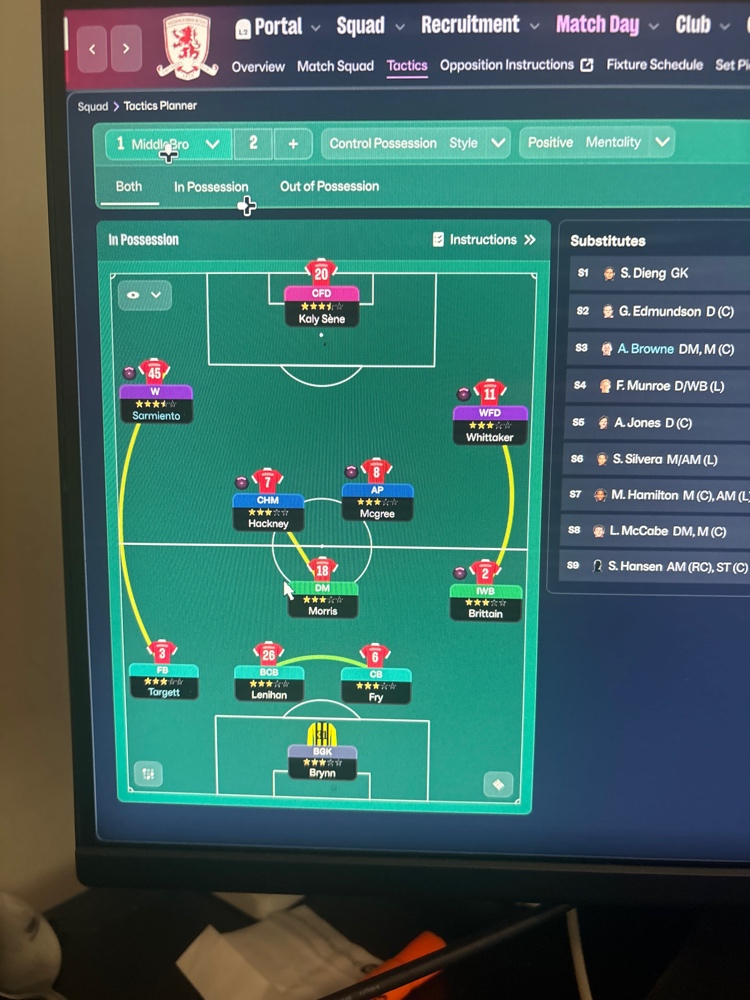
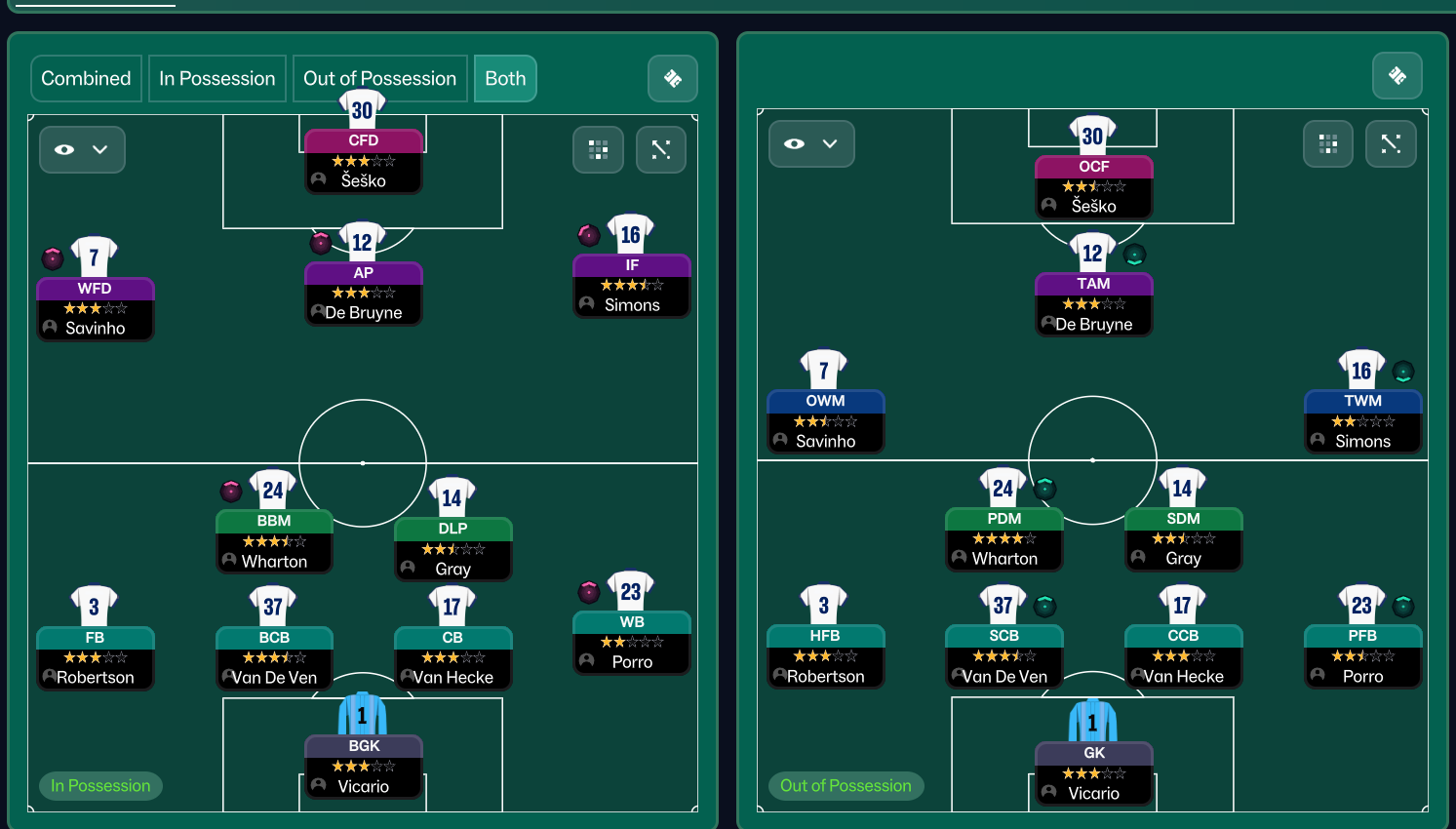
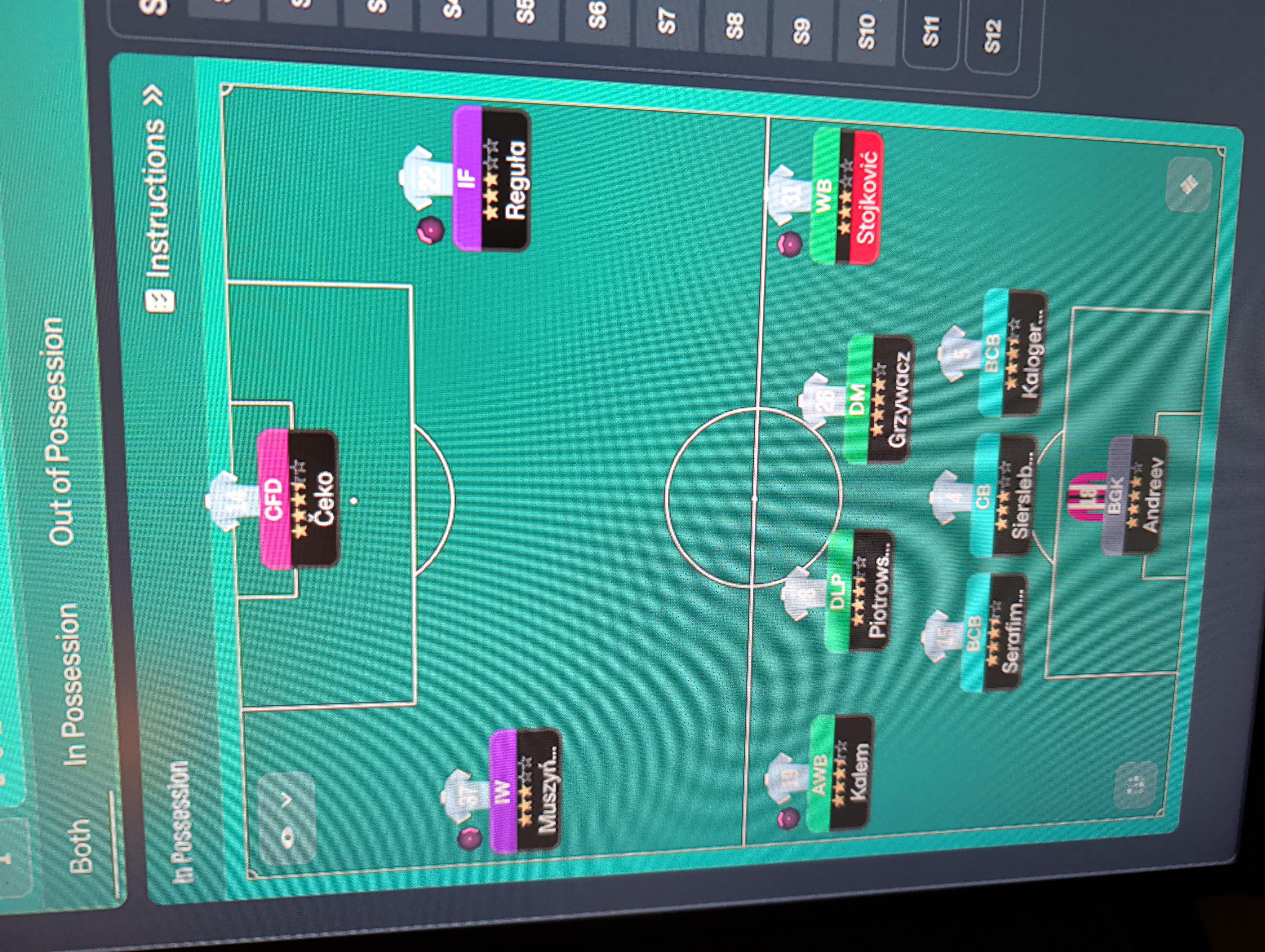
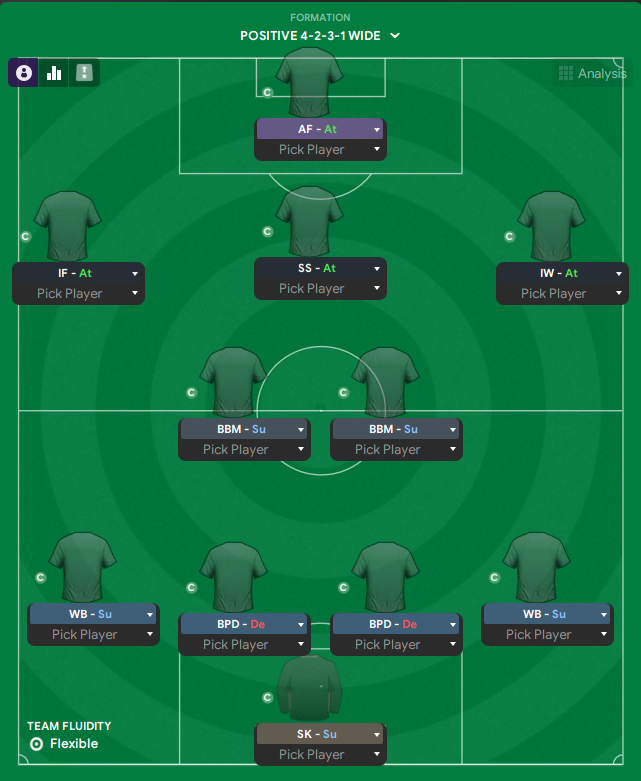
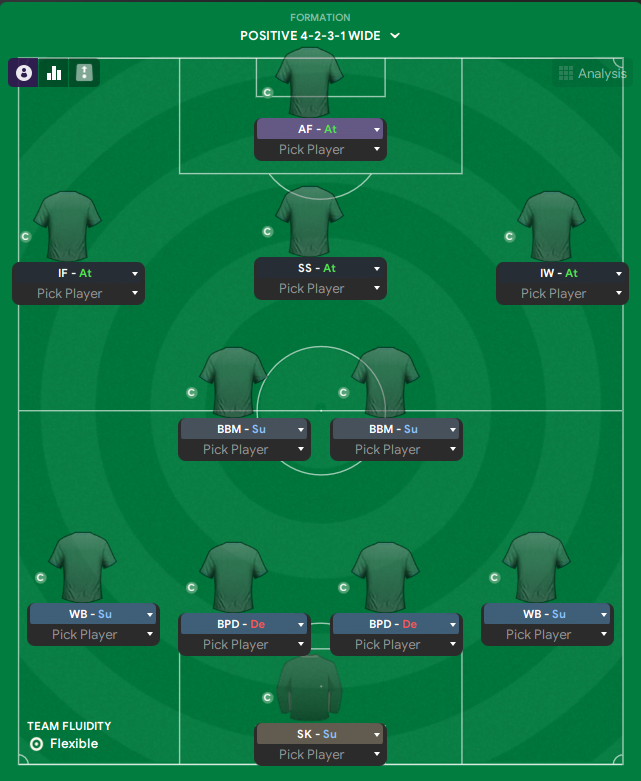
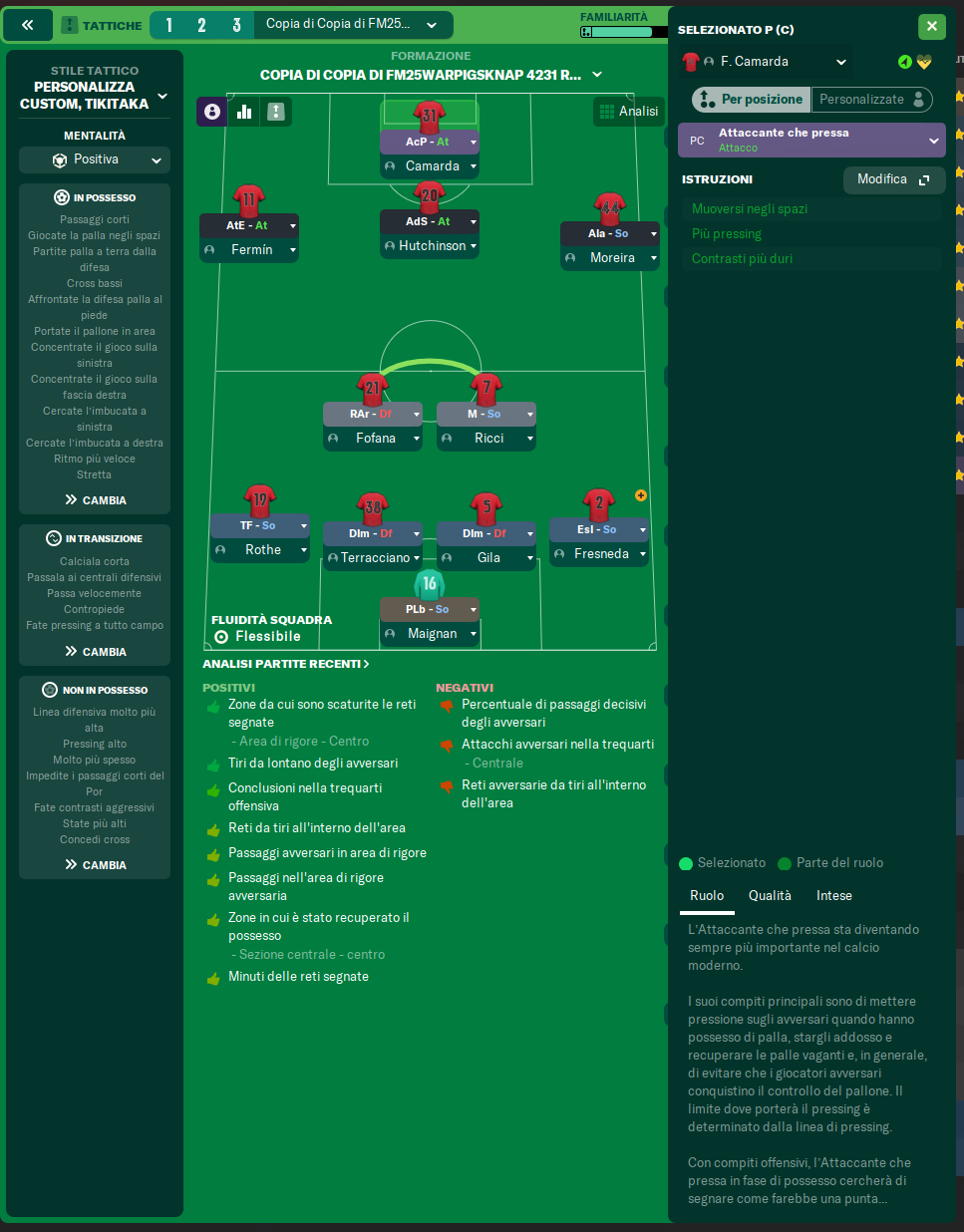
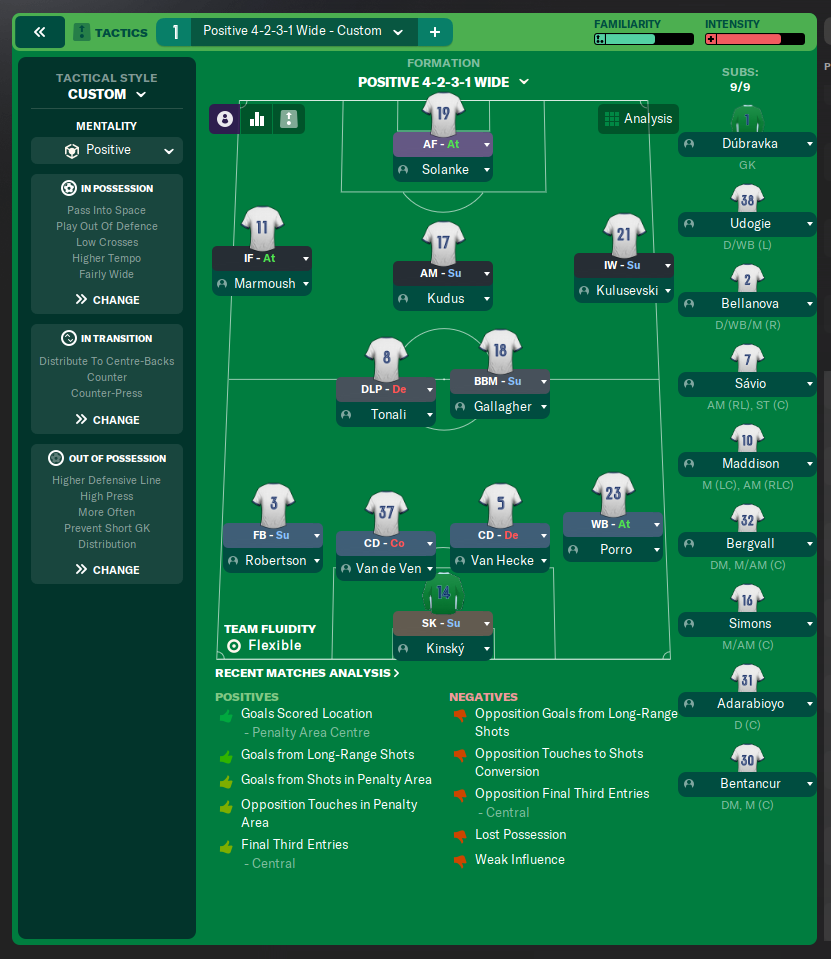
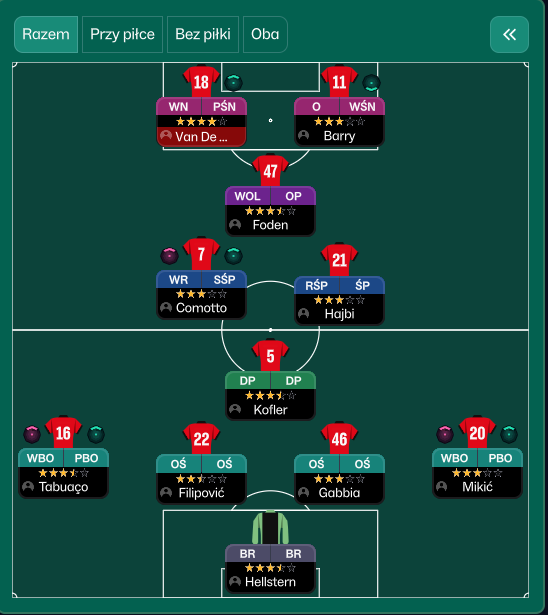
More Wing Play tactics
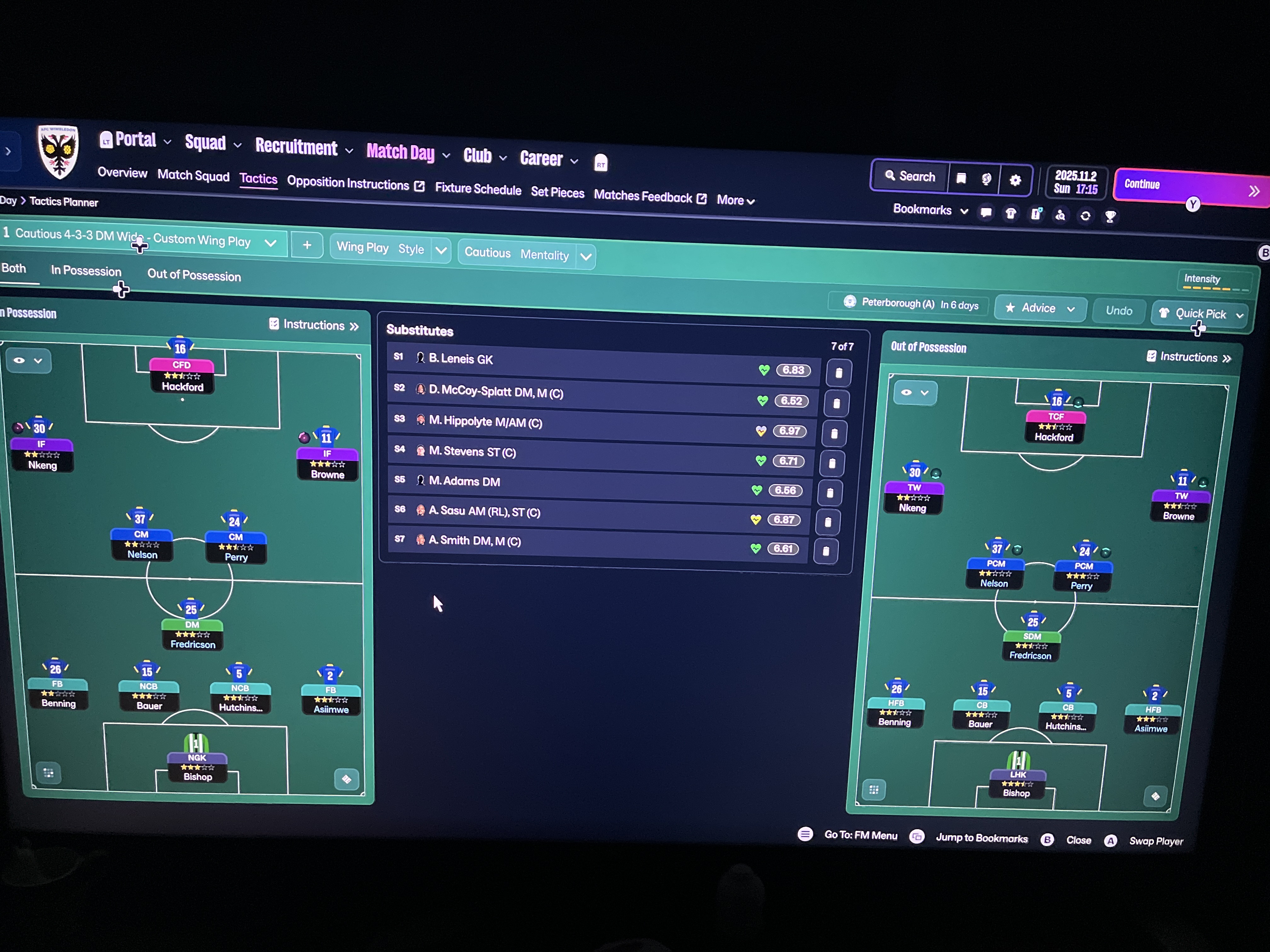
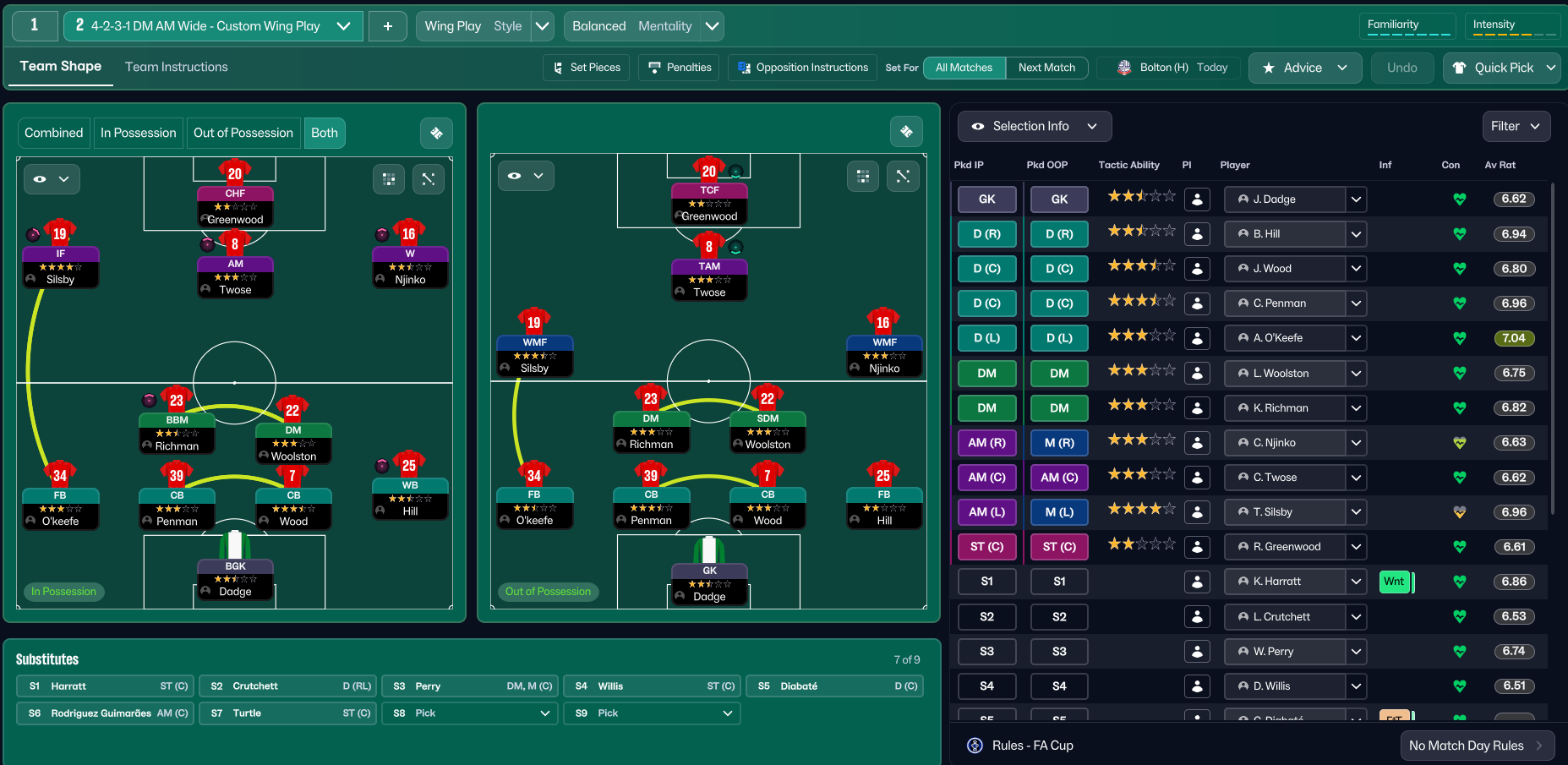
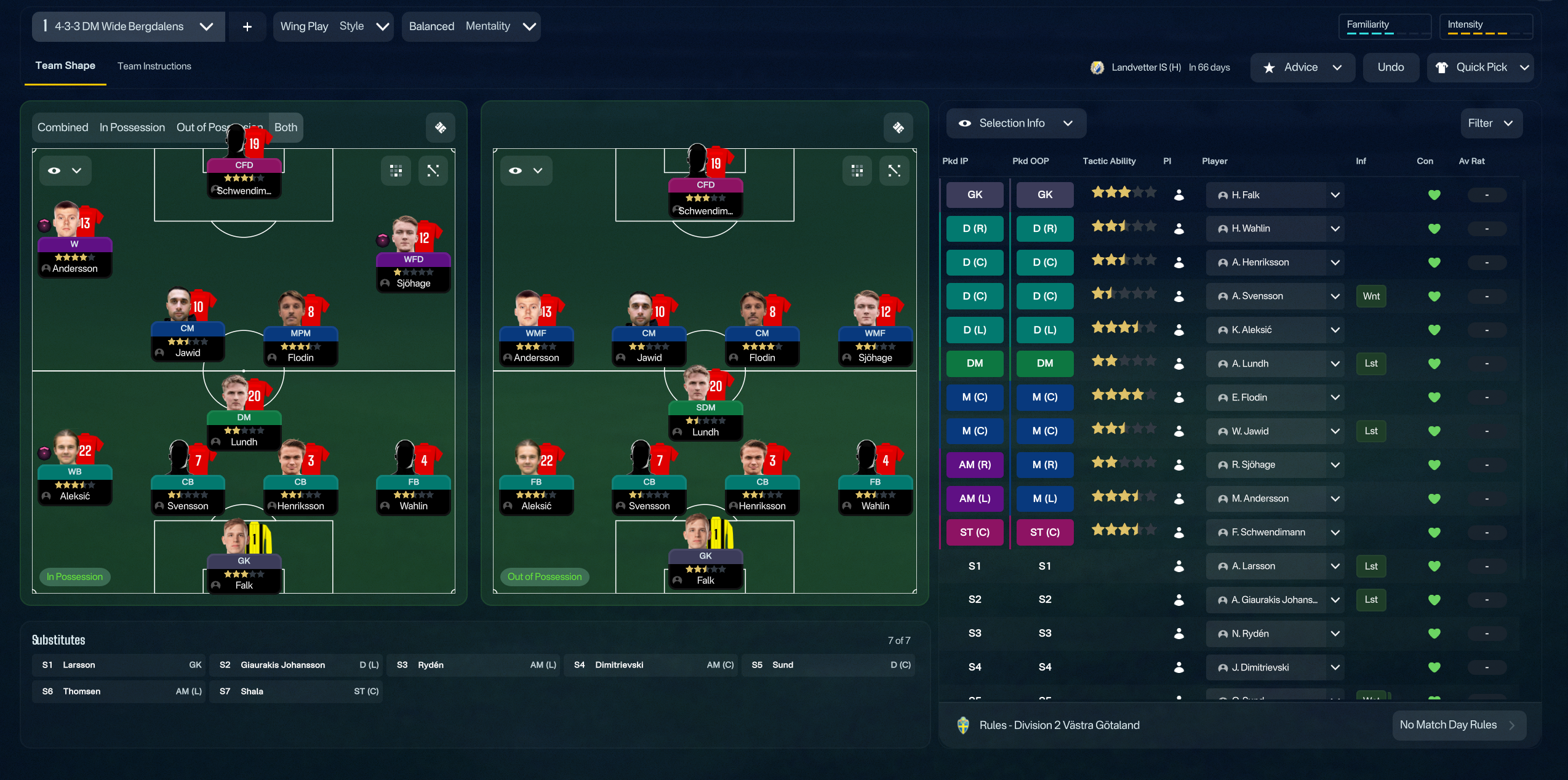
Guides for this formation
The tactical theory behind the 4-2-3-1 Wide: roles, instructions, and the trade-offs that decide whether the system holds up.
Player pairings
Midfield Pairs in 4-2-3-1 and 4-4-2
Double pivots and flat pairs in 4-2-3-1 and 4-4-2: when each pairing works, when it collapses, and the AMC unicorn that rescues both.
Read guide
Playing styles
Gegenpressing: A Full Guide
Klopp-style gegenpressing in FM, including squad profile, line-and-press pairing, sustainable workload, and the antipatterns to avoid.
Read guide