
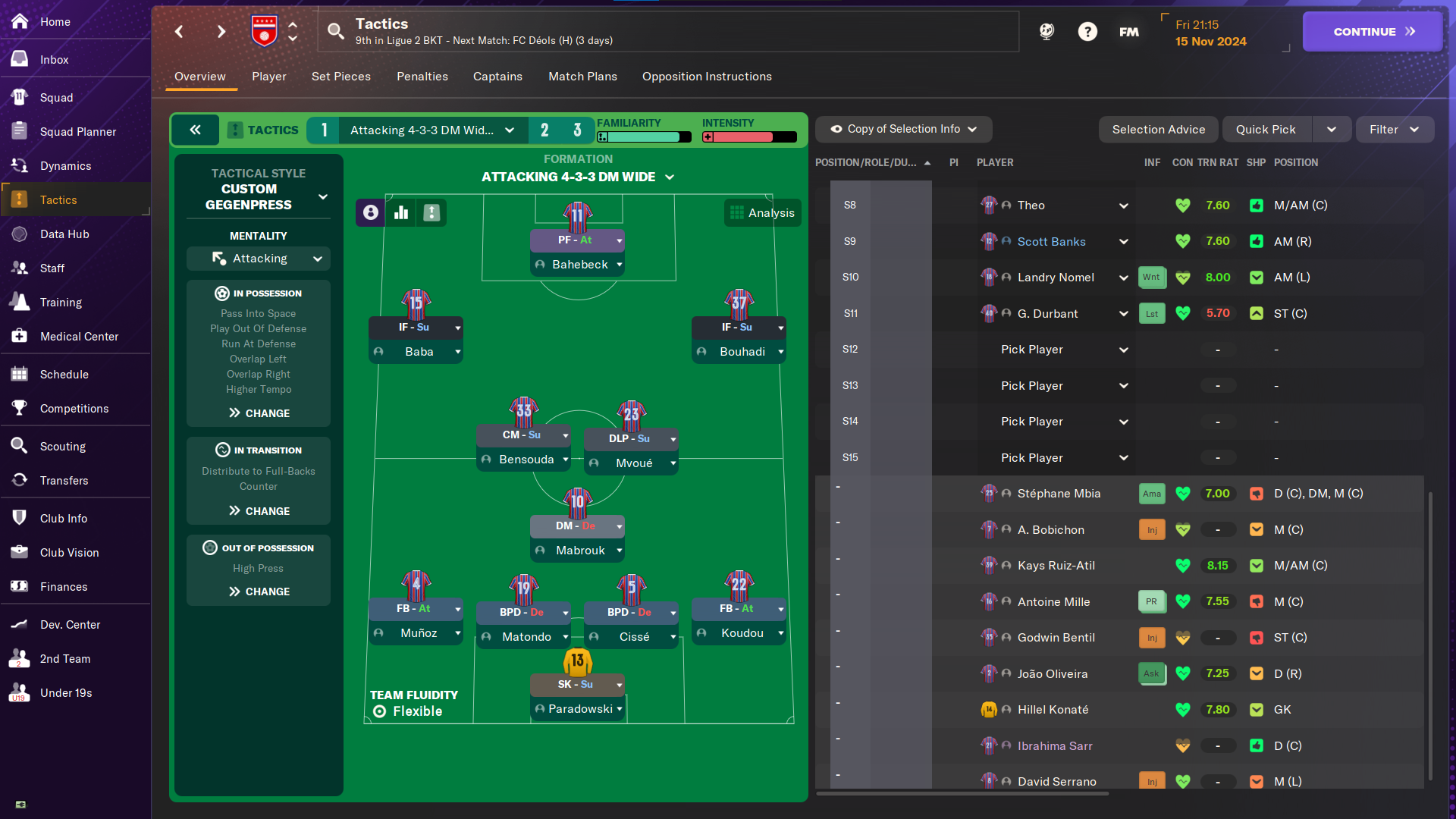
4-3-3 DM Wide
The attacking mentality combined with high tempo allows quick transitions and multiple options in attack.
Loading tactical analysis...
Gegenpress
Attacking
4-3-3 DM Wide
Flexible
Pass Into Space
Play Out Of Defense
Run At Defense
Overlap Left
Overlap Right
Higher Tempo
Distribute to Full-Backs
Counter
High Press
ST
Pressing Forward
Attack
IF
Inside Forward
Support
CM
Central Midfielder
Support
DLP
Deep-Lying Playmaker
Support
DM
Defensive Midfielder
Defend
BPD
Ball-Playing Defender
Defend
FB
Full-Back
Attack
The attacking mentality combined with high tempo allows quick transitions and multiple options in attack.
Using Inside Forwards and overlapping Full-Backs provides width, making it difficult for opponents to defend.
The roles of Ball-Playing Defenders and the Full-Backs can sometimes conflict when transitioning to attack, leading to positional issues.
While high pressing can win the ball back quickly, it may leave the defensive line exposed if the press is bypassed.
How effectively is the team transitioning from defense to attack?
Are the full-backs providing adequate width while maintaining defensive discipline?
Is the high press being executed consistently across the squad?
Do the Inside Forwards contribute enough defensively when possession is lost?
How well is the Deep-Lying Playmaker linking play between defense and attack?
Are the team’s attacking movements creating enough clear goal-scoring opportunities?
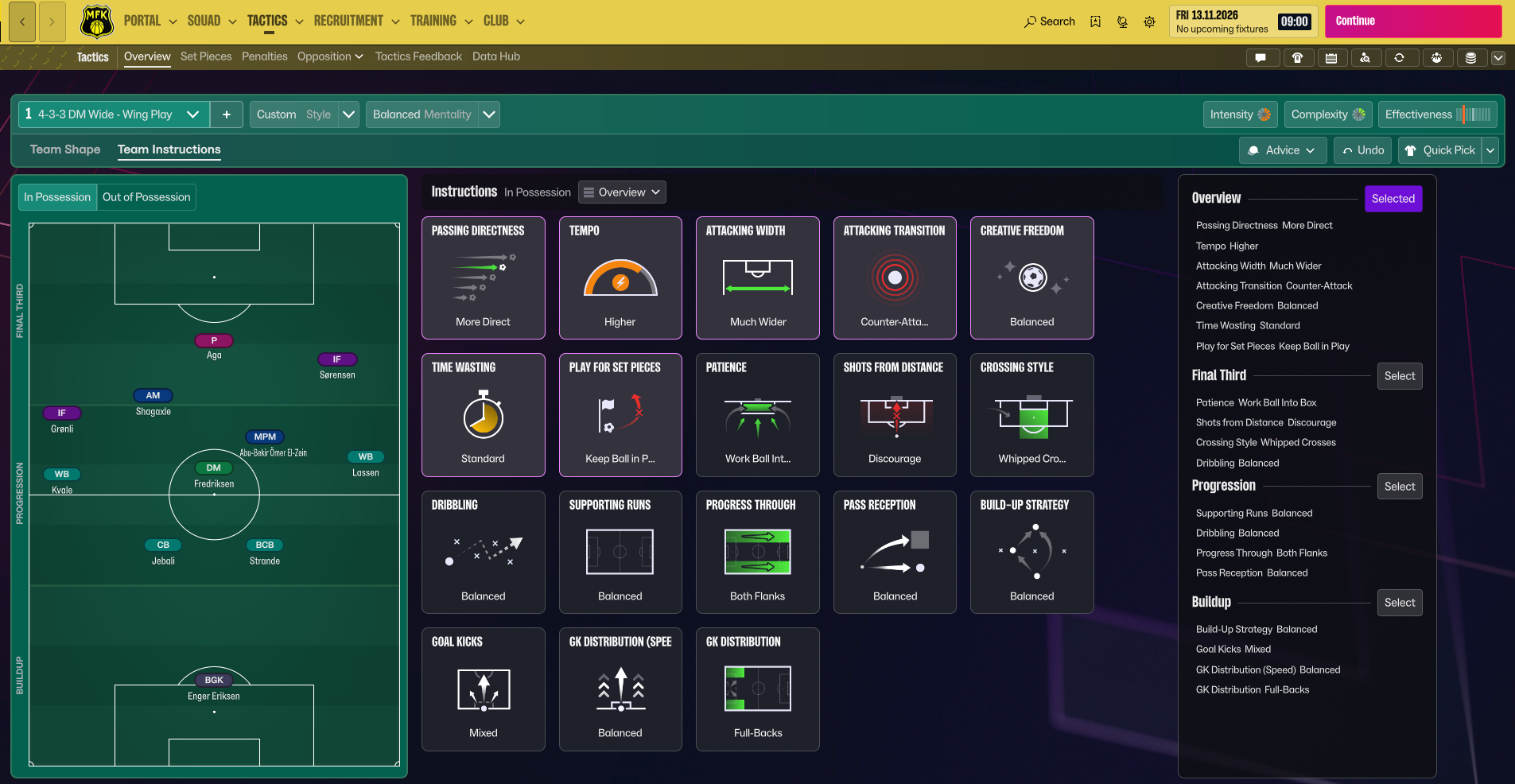
wing play
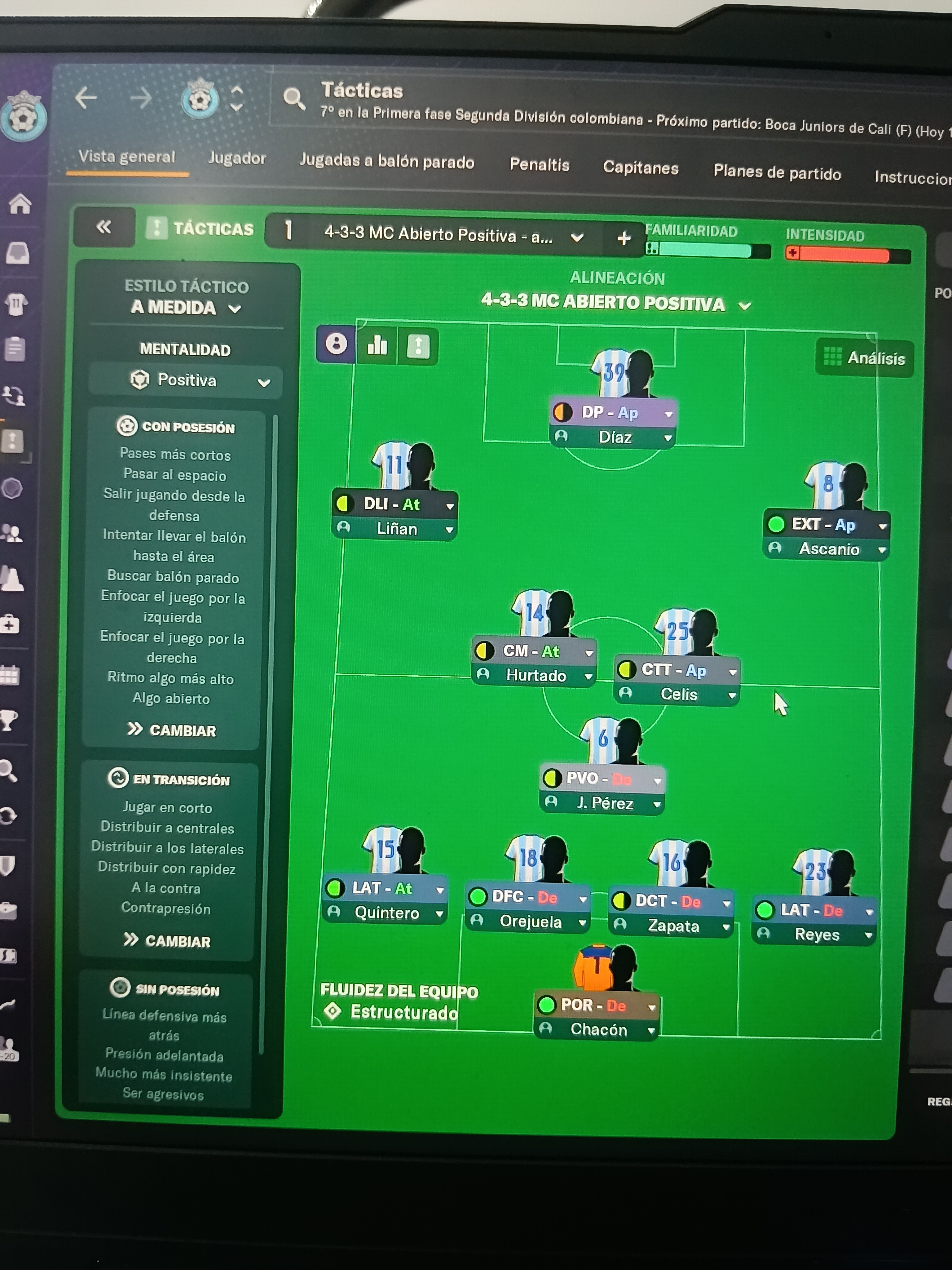
Gegenpress
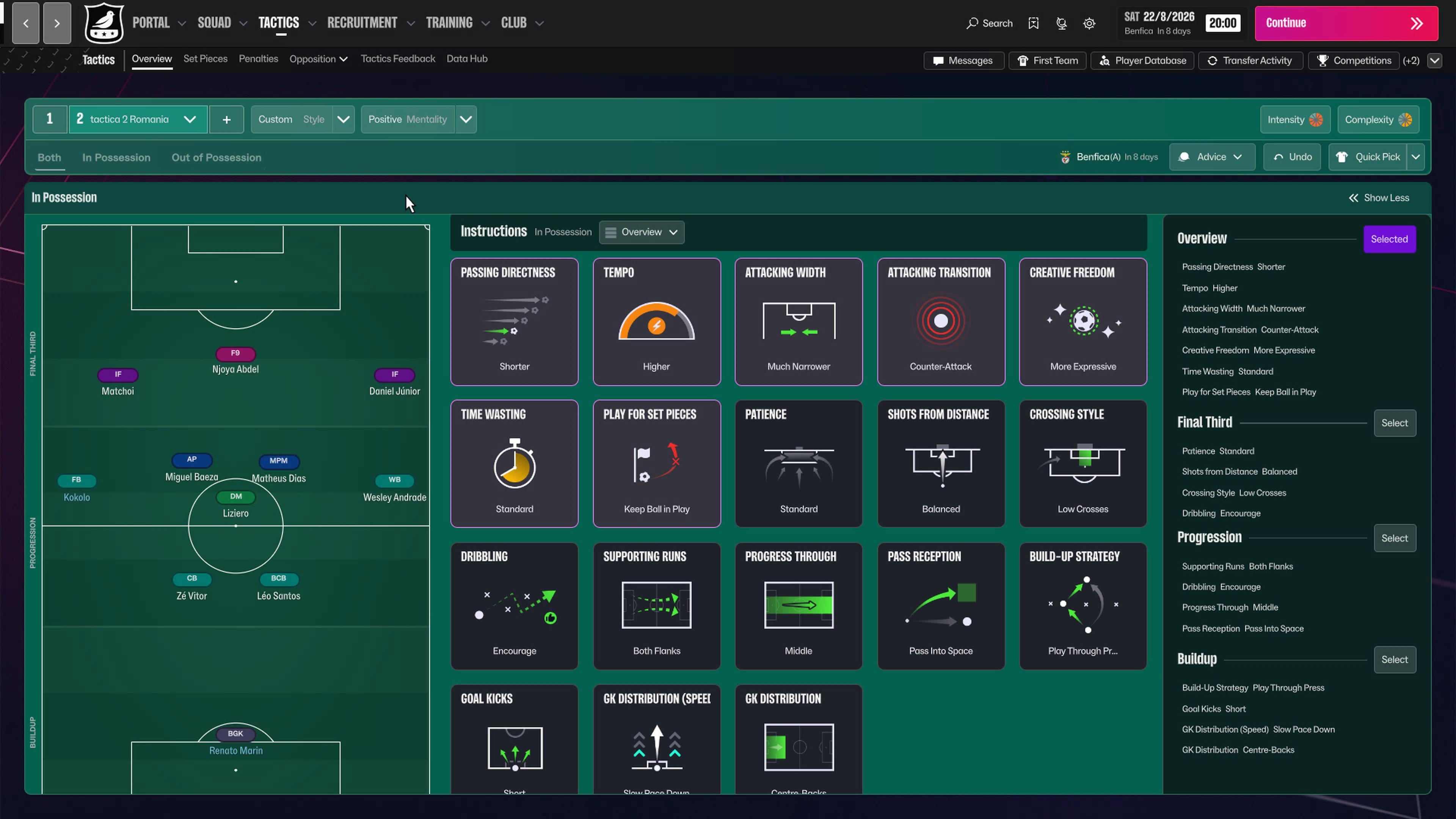
vertical tiki taka
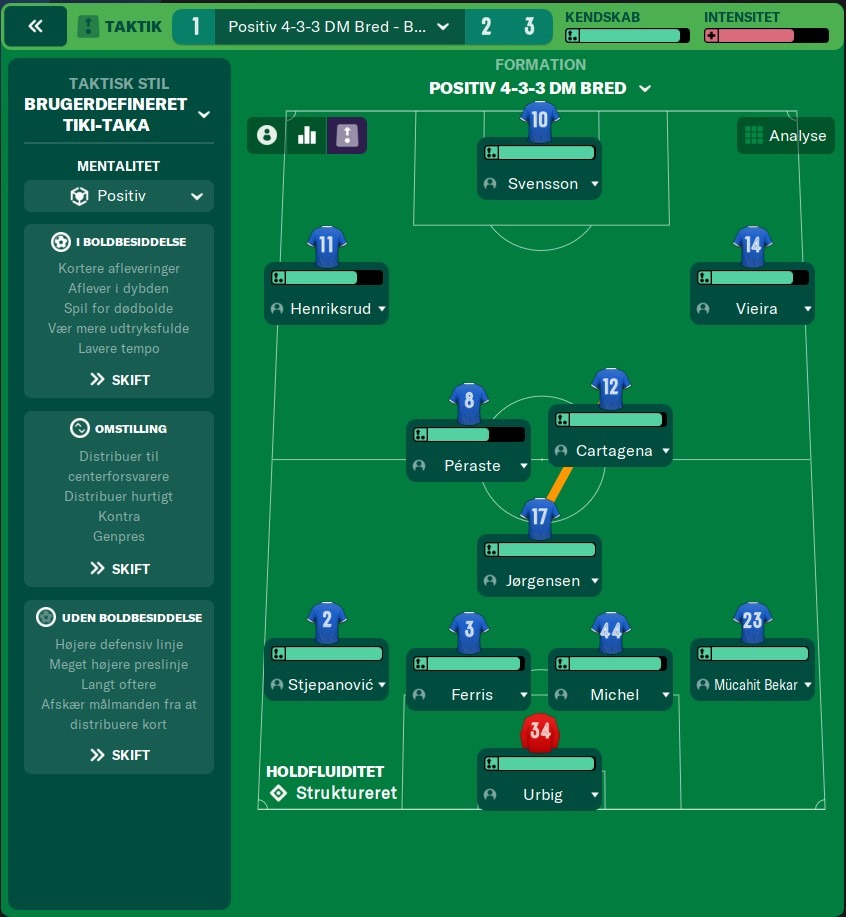
Tiki-Taka
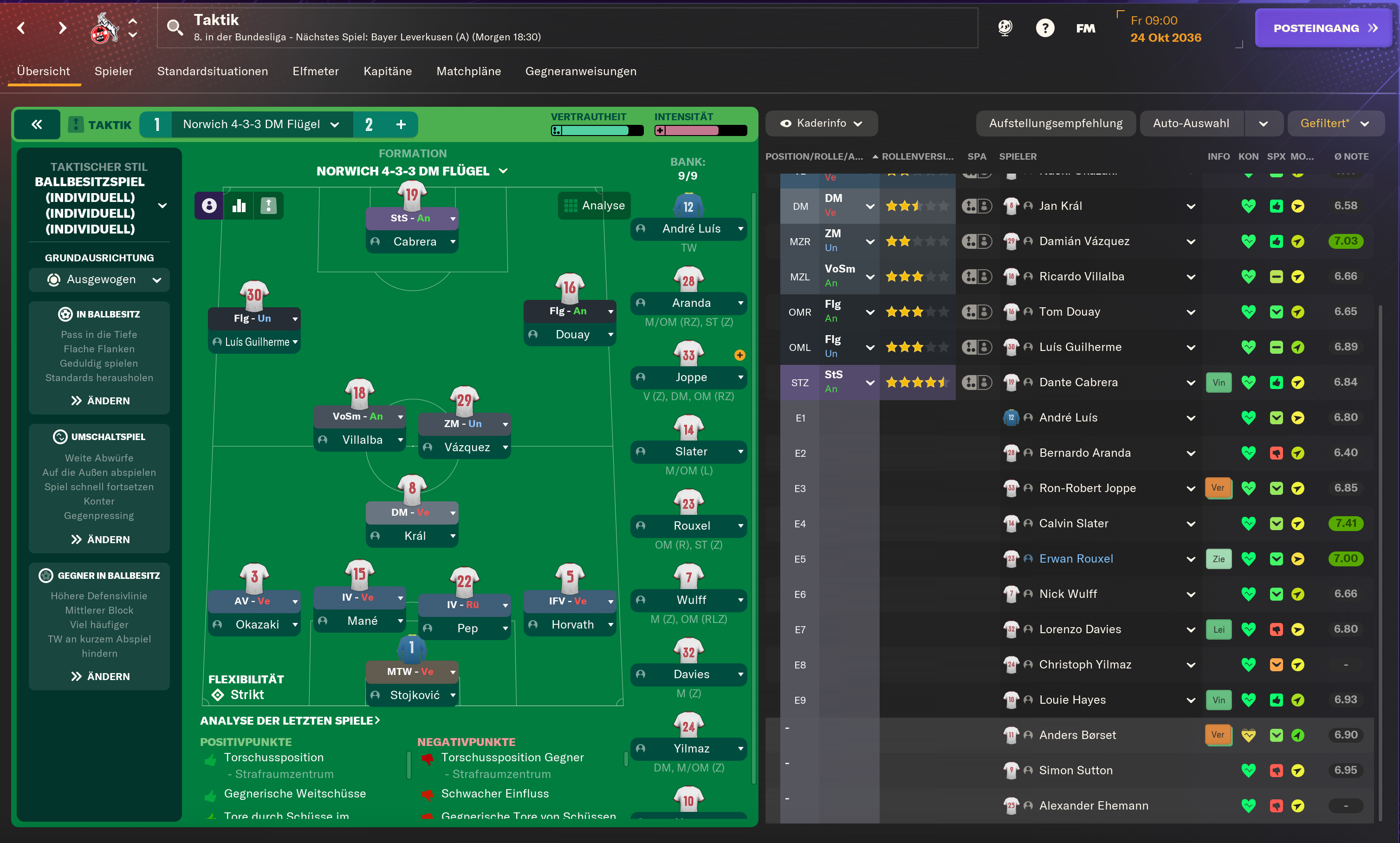
Wing Play
Vertical Tiki-Taka
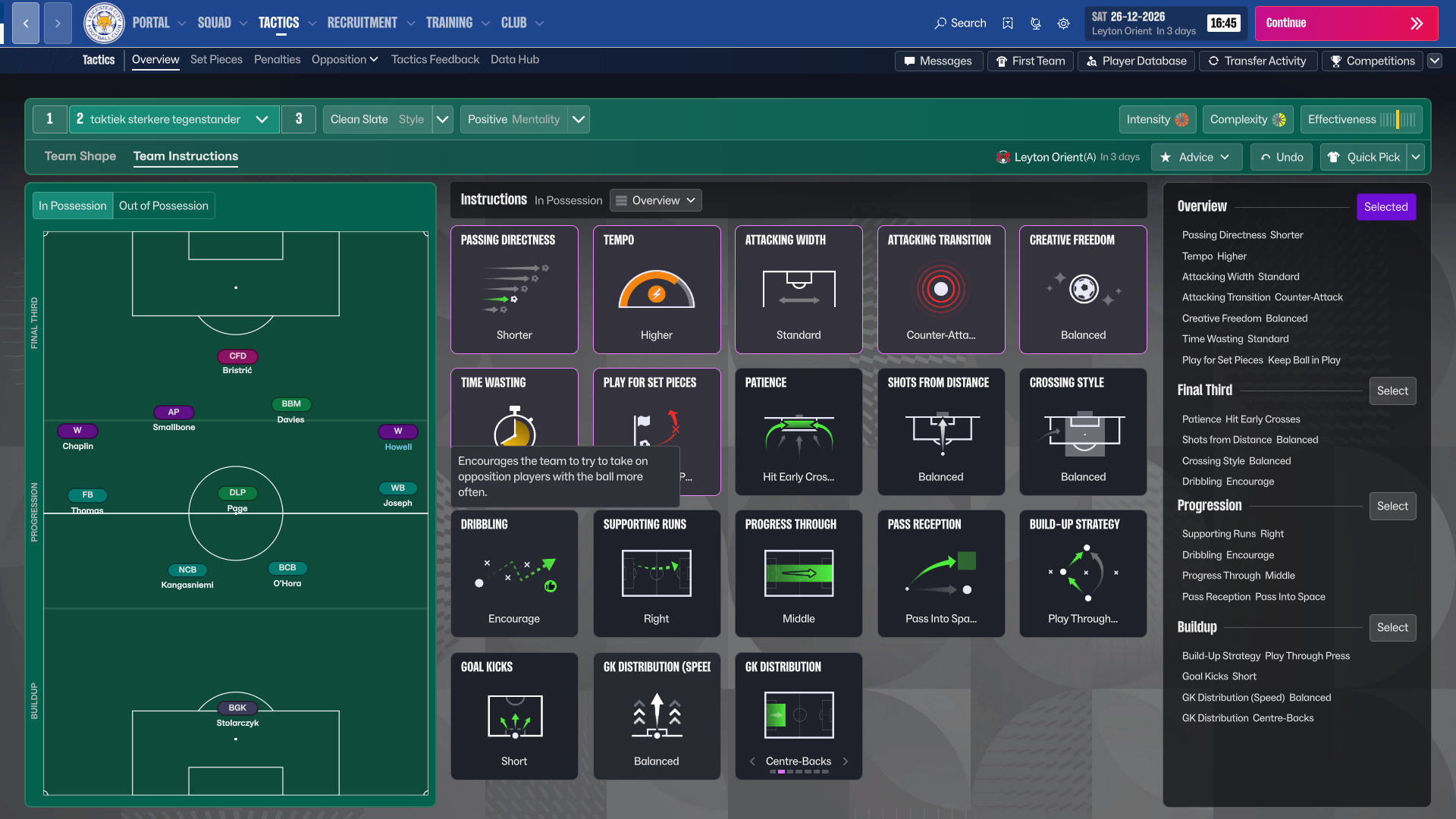
clean slate
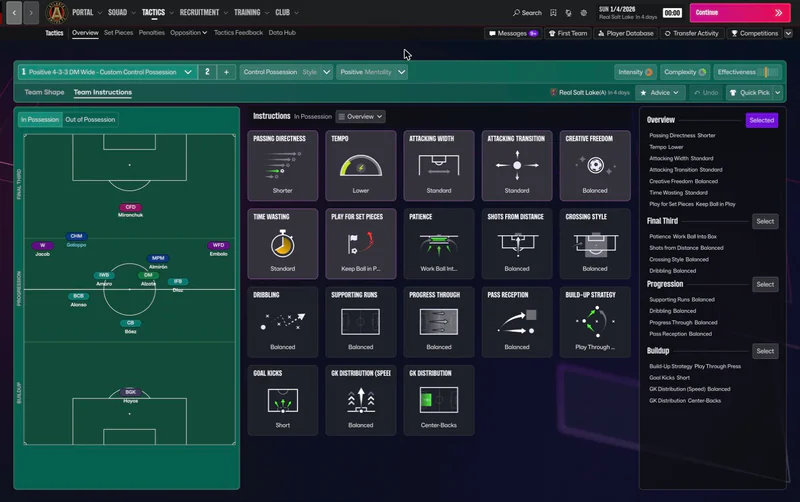
control possession
The tactical theory behind the 4-3-3 DM Wide: roles, instructions, and the trade-offs that decide whether the system holds up.
Master the classic 4-3-3: player roles, tactical variations, and the trade-offs that decide whether it sings or stalls.
Holder, runner, creator: the role distribution rule for three-man midfields, the AMC variants, and the antipatterns that break them.
The five seconds after losing the ball decide most matches. Counter-press, drop-and-recover, and how to know which one you should be doing.



