Uploaded Tactic
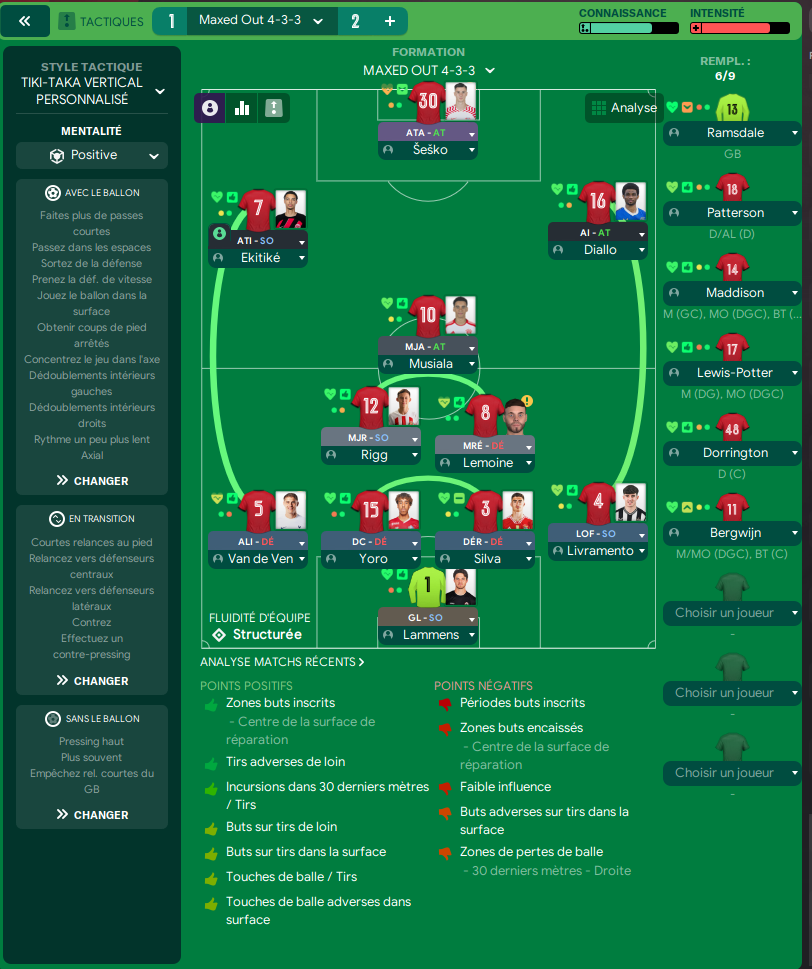
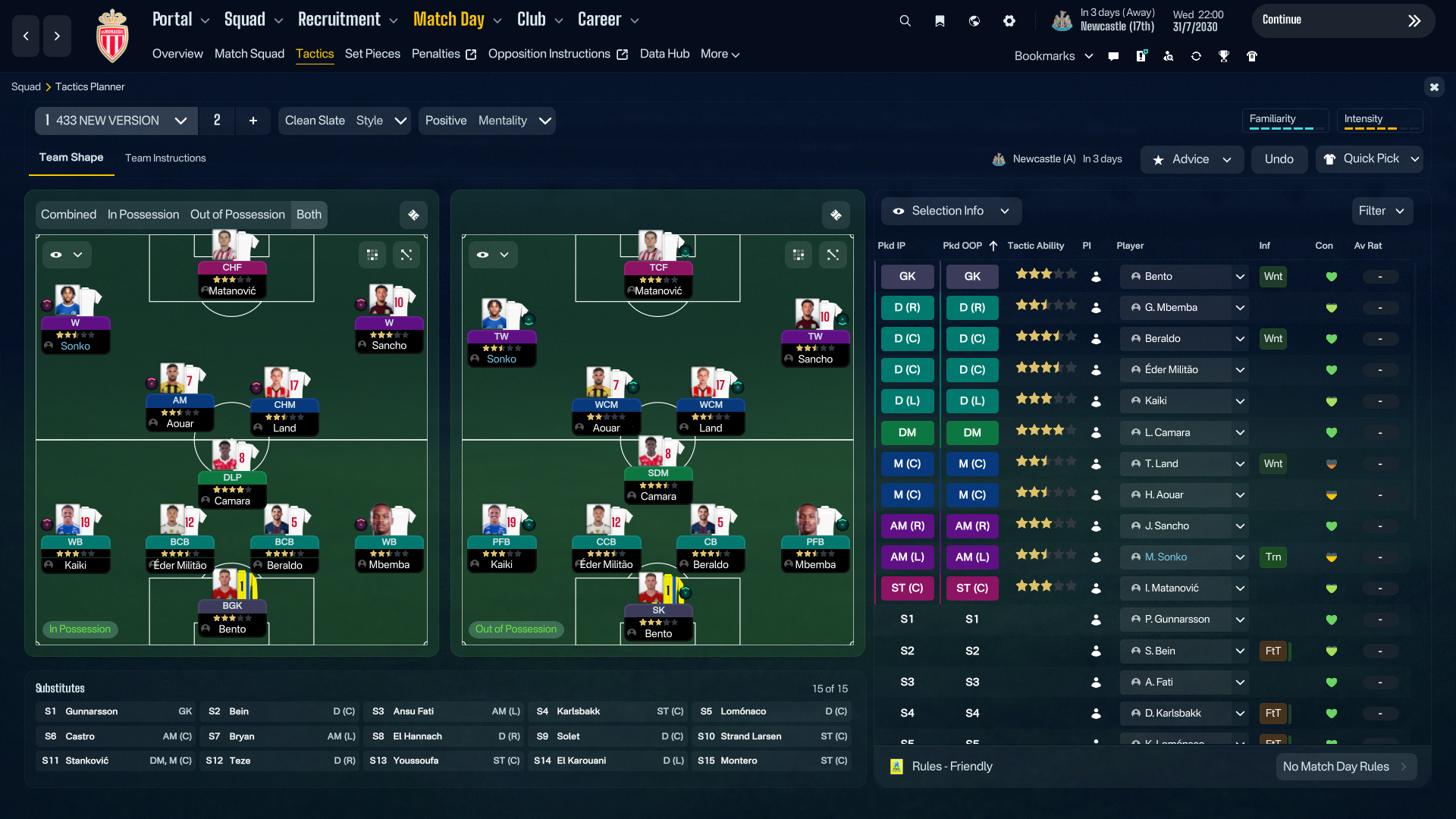
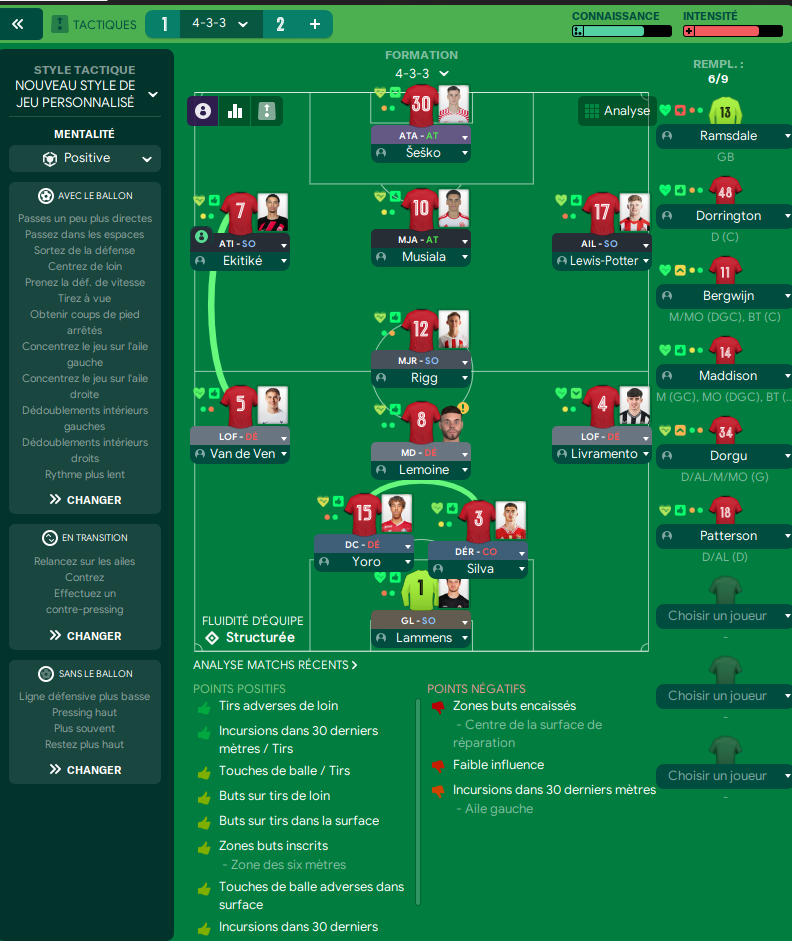
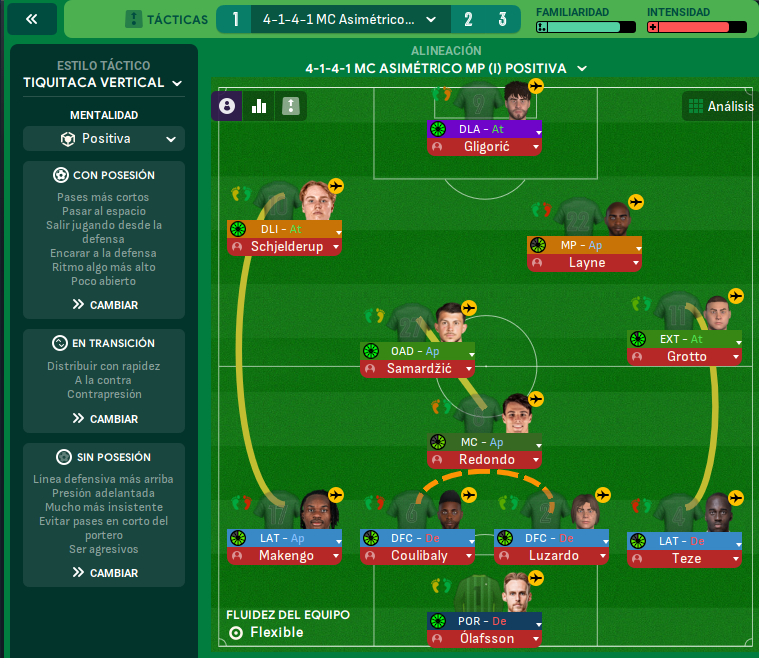
Formation & Style
Tactical Style:Tiki-Taka Vertical
Mentality:Positive
Formation:4-3-3
Team Fluidity:Structured
In Possession
Faites plus de passes courtes
Passez dans les espaces
Jouez le ballon dans la surface
In Transition
Courtes relances au pied
Relancez vers défenseurs centraux
Effectuez un contre-pressing
Out of Possession
Pressing haut
Empêchez les tirs adverses de loin
Team Shape Without Ball
Shape:4-4-2
Description:A compact defensive setup with an emphasis on shutting down spaces and retrieving the ball quickly.
Evidence:The presence of 2 CBs and 2 FBs allows for flexibility in defense and quick transition into attacks.
Team Shape With Ball
Shape:4-3-3
Description:Attacking fluidity with an advanced playmaker supported by box-to-box and ball-winning midfielders, aiding in creative buildup.
Evidence:Utilizing inside forwards to stretch defenses vertically while the striker occupies central defenders.
Phase Description
Attacking Play
The team looks to maintain possession with short passes, while transitioning quickly into the final third. The advanced playmaker looks to unlock defenses.
Defensive Transition
Pressing is initiated immediately after losing possession, aiming to regain the ball high up the pitch.
Main Focus
Dominating possession while creating space for the forwards to exploit.
Key Strengths
Possession Retention
Short passing style that promotes maintaining possession and creating space.
Defensive Solidity
A well-structured defensive alignment that minimizes space for the opposition.
Dynamic Attack
Utilizing forwards who have the ability to cut inside and create goal-scoring opportunities.
Conflicting Directions
Vulnerable to Counter-attacks
High pressing may leave space for fast counter-attacks if possession is lost.
Central Weakness
While attacking, the central positions can be left exposed without adequate cover.
Reliance on Wing Play
Heavy reliance on wingers may lead to predictability and limited options.
Tactical Suggestions
Increase Defensive Support
Consider adding a more defensive midfielder to enhance stability.
Utilize Width More Effectively
Encourage wingers to hold width in attacks to create space for central players.
Vary Set-Piece Strategy
Adapt set-piece strategies to take advantage of the height of the attacking players.
Ask Questions About Your Lineup
Related Tactics
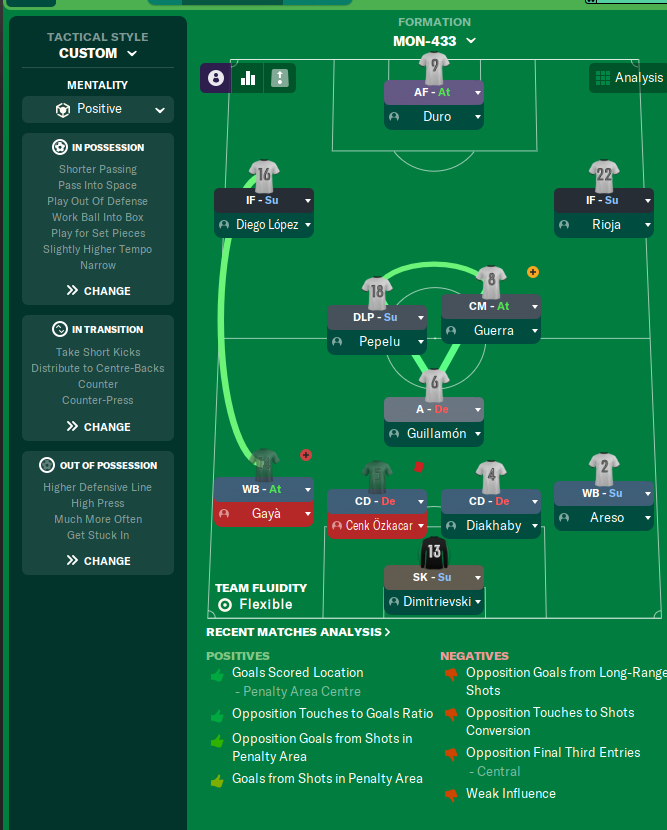
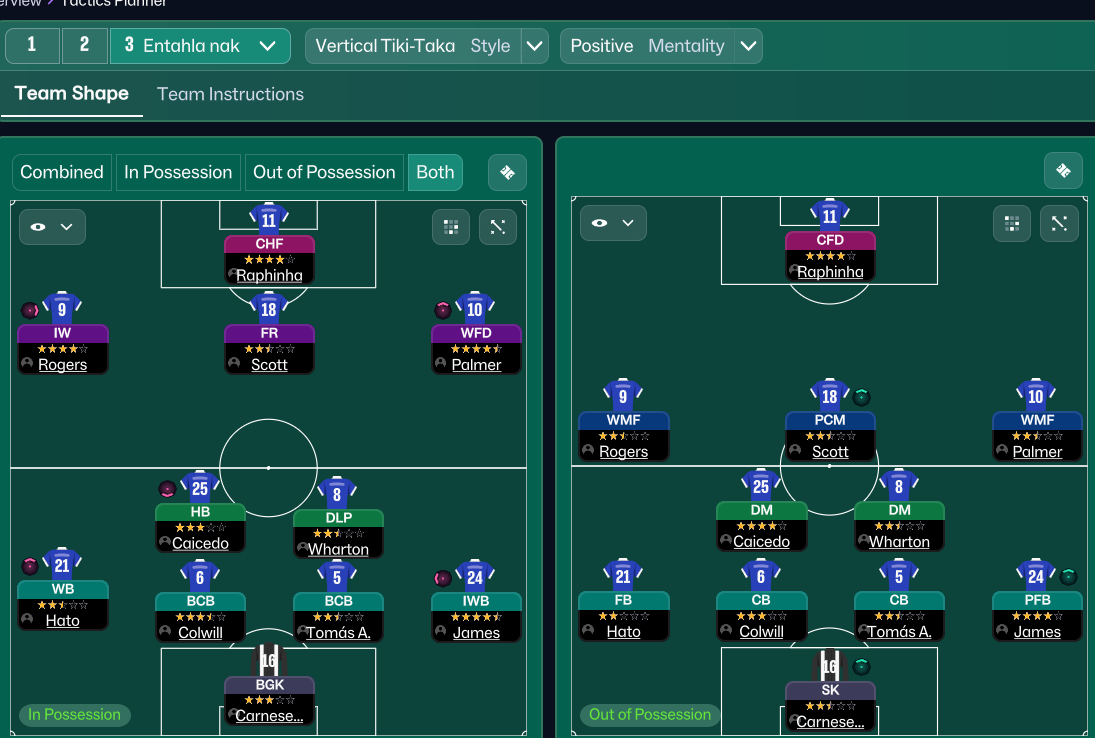
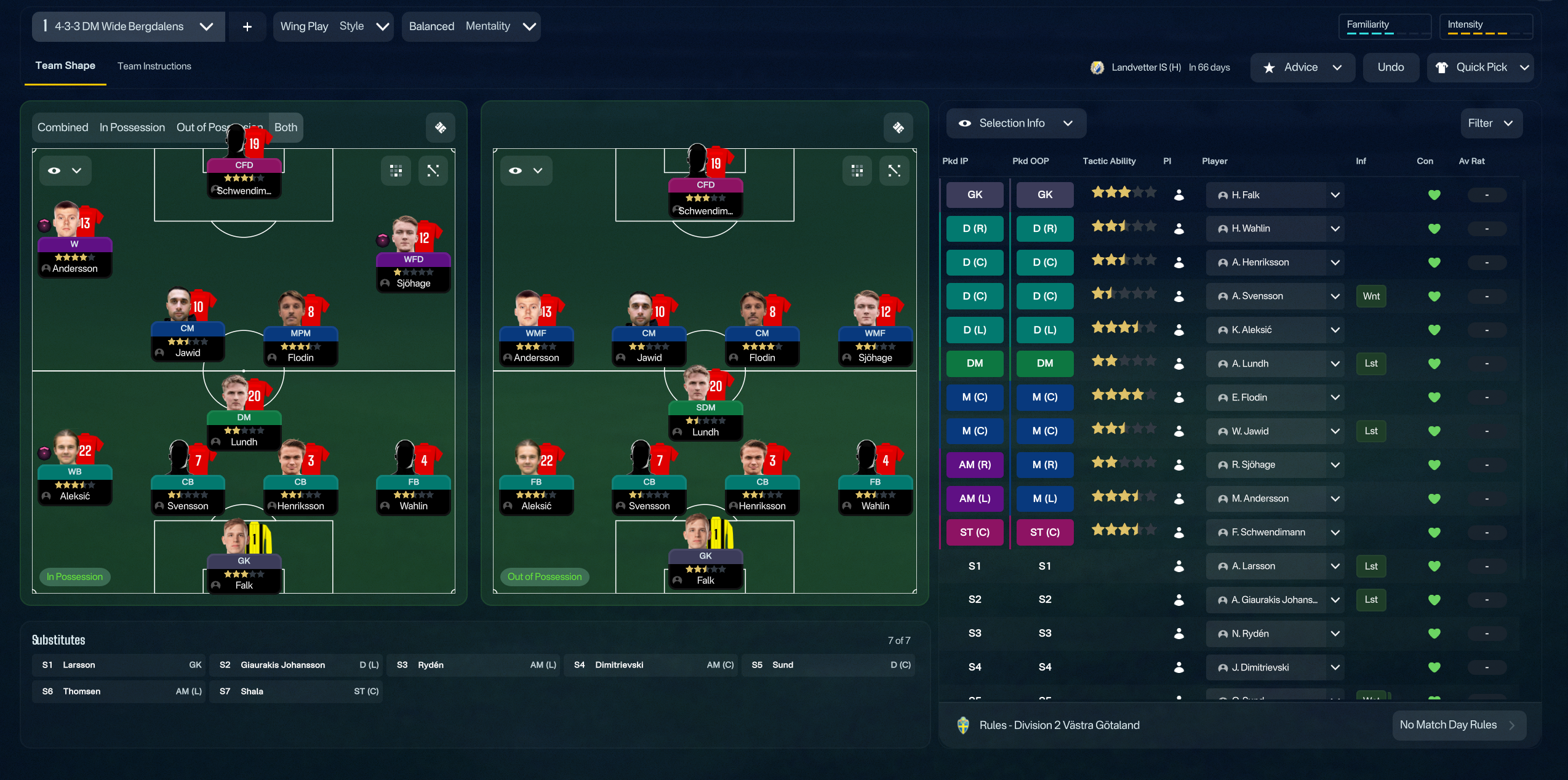
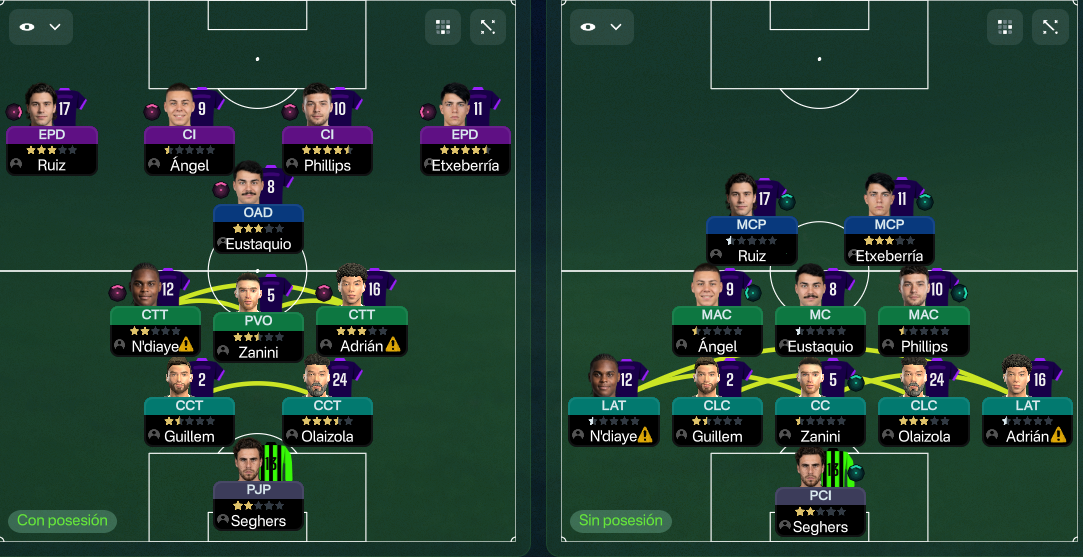
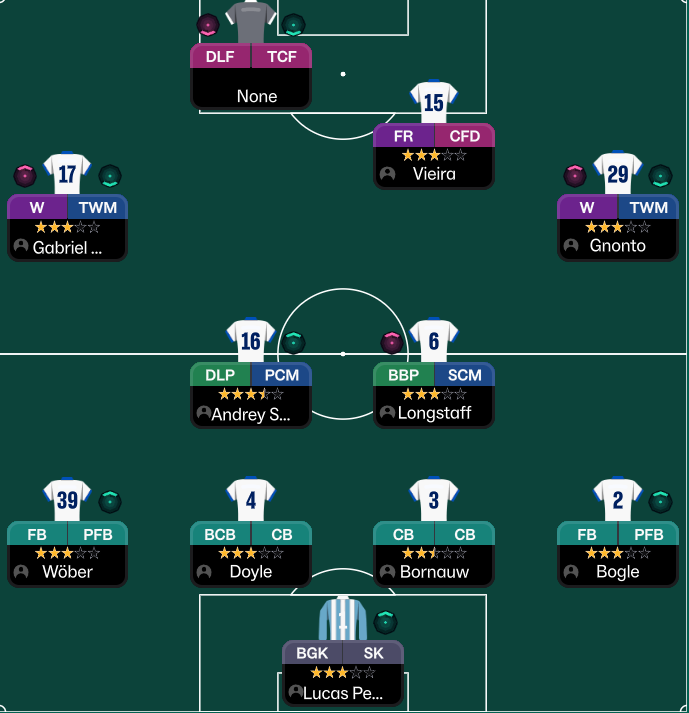
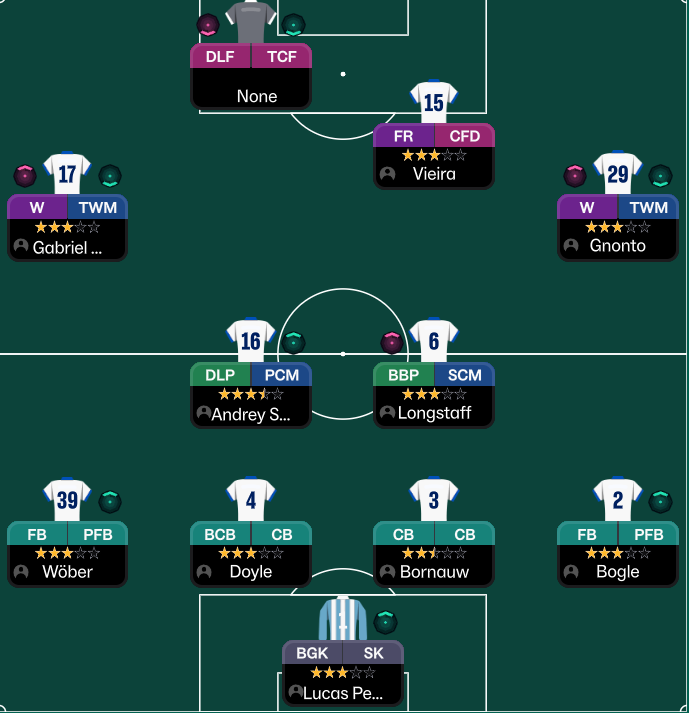
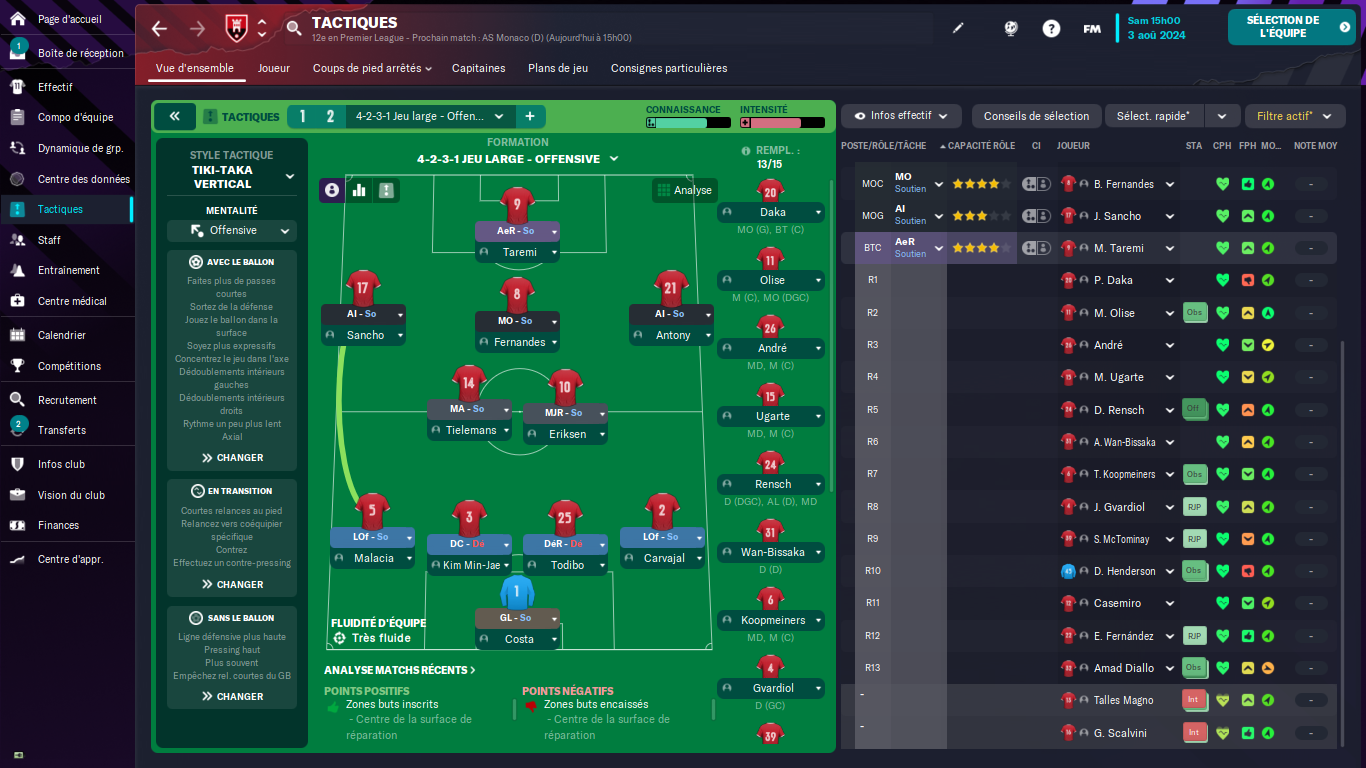
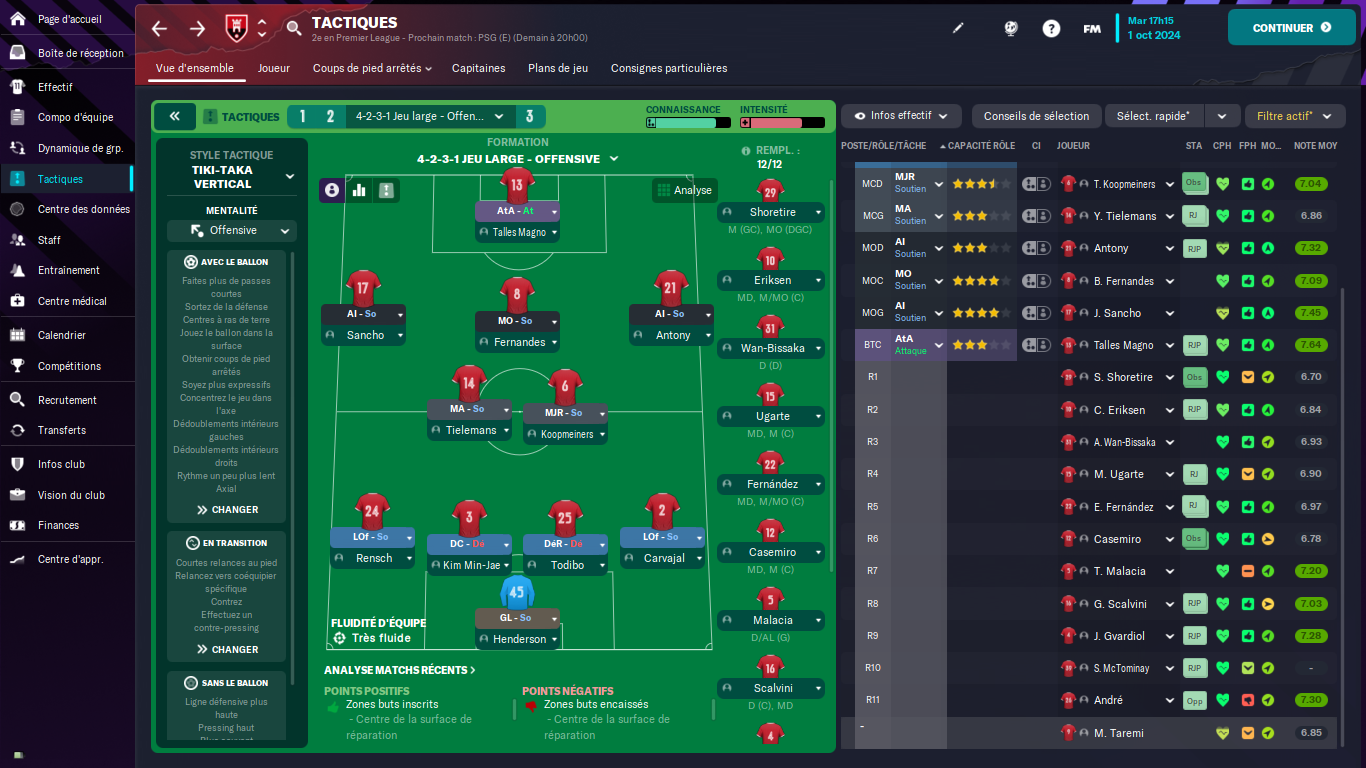
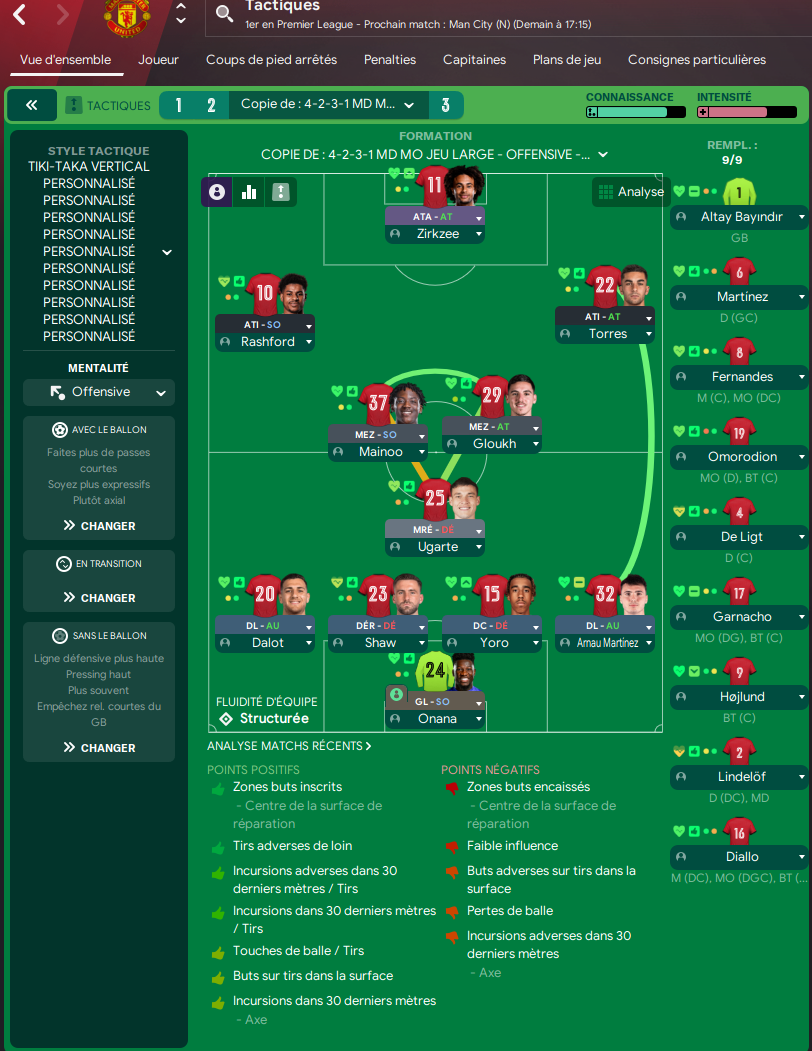
More Tiki-Taka Vertical tactics
Guides for this formation
The tactical theory behind the 4-3-3: roles, instructions, and the trade-offs that decide whether the system holds up.
Foundations
Understanding the 4-3-3 Formation
Master the classic 4-3-3: player roles, tactical variations, and the trade-offs that decide whether it sings or stalls.
Read guide
Player pairings
Midfield Trios
Holder, runner, creator: the role distribution rule for three-man midfields, the AMC variants, and the antipatterns that break them.
Read guide
Playing styles
Gegenpressing: A Full Guide
Klopp-style gegenpressing in FM, including squad profile, line-and-press pairing, sustainable workload, and the antipatterns to avoid.
Read guide